

Barcelona Before the City Fully Wakes
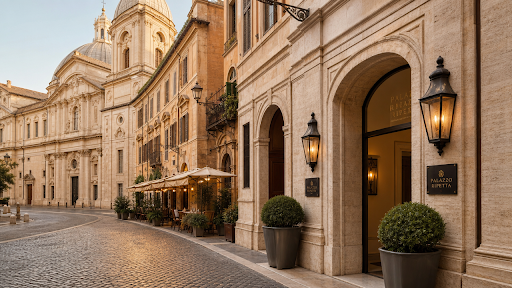
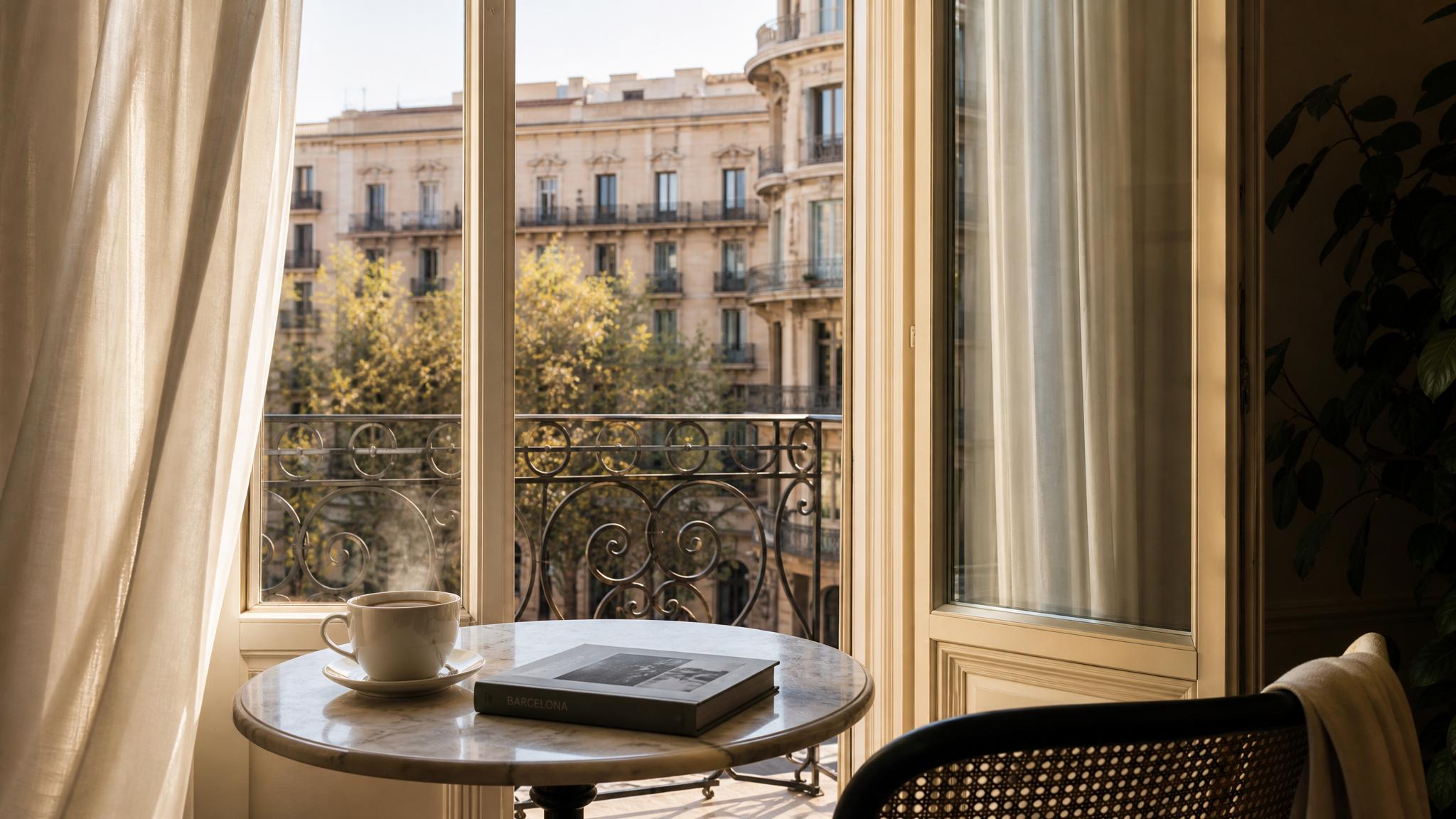
Before breakfast reservations and crowded plazas, Barcelona moves at a different pace. This Barcelona travel guide lingers in the quiet hours when the city feels more local than visited.
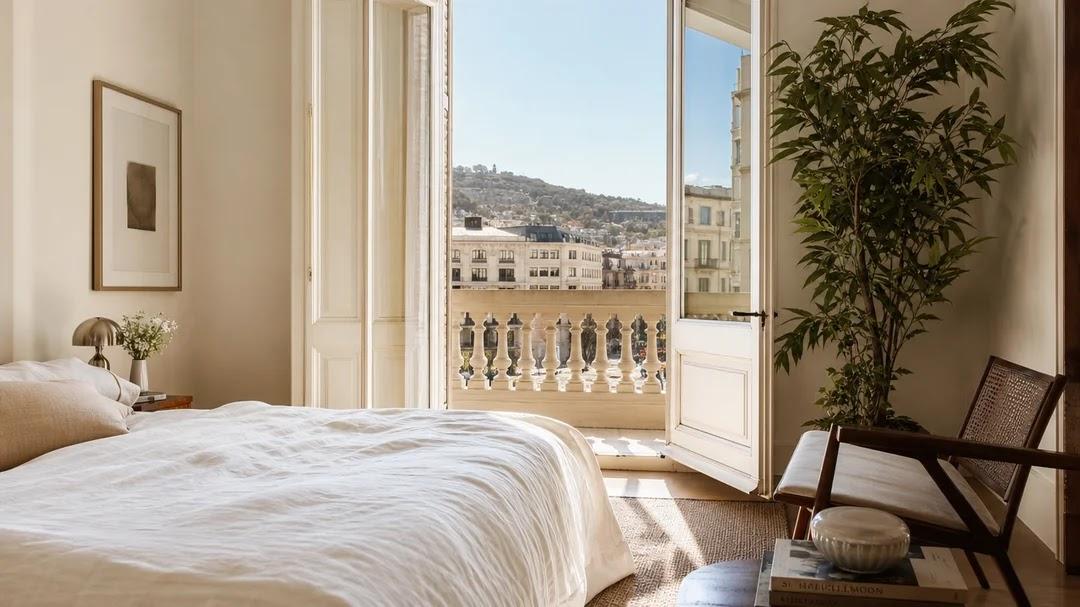
Before breakfast reservations and crowded plazas, Barcelona moves at a different pace. This Barcelona travel guide lingers in the quiet hours when the city feels more local than visited.
At a Glance
- The best time to explore Barcelona is often before 10 a.m., when neighborhoods feel calmer and attractions are less crowded.
- Eixample is ideal for architecture, cafés, and first-time visitors.
- Gràcia offers village-like streets, local bakeries, and a slower pace.
- El Born is best experienced early, before its restaurants and bars come to life.
- Booking note: Sonder curates stays in walkable neighborhoods. Bookings are fulfilled by our partners.
Why explore Barcelona in the morning?
Barcelona rewards early risers in ways that many guidebooks overlook. While afternoons revolve around landmarks and reservations, the morning belongs to neighborhood life. Bakeries are pulling fresh pastries from the oven, café terraces are filling with regulars instead of tourists, and streets that become crowded later still feel spacious.
It's also the most comfortable time to walk, especially during the warmer months. Instead of moving quickly from one attraction to another, you have room to notice the details that give the city its character: flower-filled balconies, small specialty shops opening for the day, and the rhythm of residents heading to work.
If you're planning your itinerary, consider leaving at least one morning almost entirely unscheduled. Barcelona has a way of filling it for you.
Which Barcelona neighborhoods are best before breakfast?
The city's personality changes from one neighborhood to another, and nowhere is that more obvious than in the morning.
| Neighborhood | Best for | Morning atmosphere |
| Eixample | First-time visitors, architecture, cafés | Wide boulevards, elegant cafés, quiet streets |
| Gràcia | Local life, bakeries, slower travel | Village feel, neighborhood squares, independent shops |
| El Born | History, photography, early walks | Medieval lanes, peaceful streets before restaurants open |
Each neighborhood offers a different way to begin the day, so the best choice depends on the kind of trip you're hoping to have.
Why start in Eixample?
Eixample is the easiest neighborhood to settle into. Its wide grid, designed by Ildefons Cerdà, makes walking intuitive, while tree-lined streets and generous sidewalks encourage lingering rather than rushing between attractions.
Morning is when the district feels most balanced. Passeig de Gràcia is still quiet enough to admire Casa Batlló and La Pedrera without weaving through crowds, and Carrer d'Enric Granados slowly fills with people meeting over coffee rather than sightseeing.
This is also one of the city's best neighborhoods for blending practical travel with memorable experiences. Metro connections are excellent, cafés open early, and many of Barcelona's architectural highlights are within walking distance.
If you're visiting Barcelona for the first time, or combining work with leisure, Eixample offers the smoothest start to the day.
What makes Gràcia feel different?
Gràcia still carries the atmosphere of the independent village it once was. Instead of grand avenues, you'll find pedestrian-friendly streets leading into neighborhood squares where locals gather throughout the day.
Morning is when that character feels most authentic.
Independent bakeries begin serving regular customers. Café terraces fill gradually instead of all at once. Shop owners greet familiar faces while residents stop for breakfast before work.
Rather than planning a route through Gràcia, simply choose a bakery, order coffee and something fresh from the oven, then continue walking toward Plaça de la Vila de Gràcia or Plaça del Sol. The neighborhood works best when there isn't much of a schedule.
For travelers looking for slower mornings and a stronger connection to local life, Gràcia often becomes the highlight of the trip.
Is El Born worth visiting early?
Most visitors associate El Born with evenings. Its wine bars, restaurants, and lively atmosphere make it one of Barcelona's most popular neighborhoods after dark.
Morning reveals a completely different side.
Before the terraces fill, the medieval streets feel peaceful enough to explore without a destination. Light reaches narrow lanes that spend much of the day in shadow, and landmarks like Santa Maria del Mar become easier to appreciate without large groups gathering outside.
It's also one of the city's best neighborhoods for photographers. Empty streets, historic façades, and quiet courtyards create opportunities that disappear later in the day.
If your perfect morning includes wandering rather than checking attractions off a list, El Born is difficult to beat.
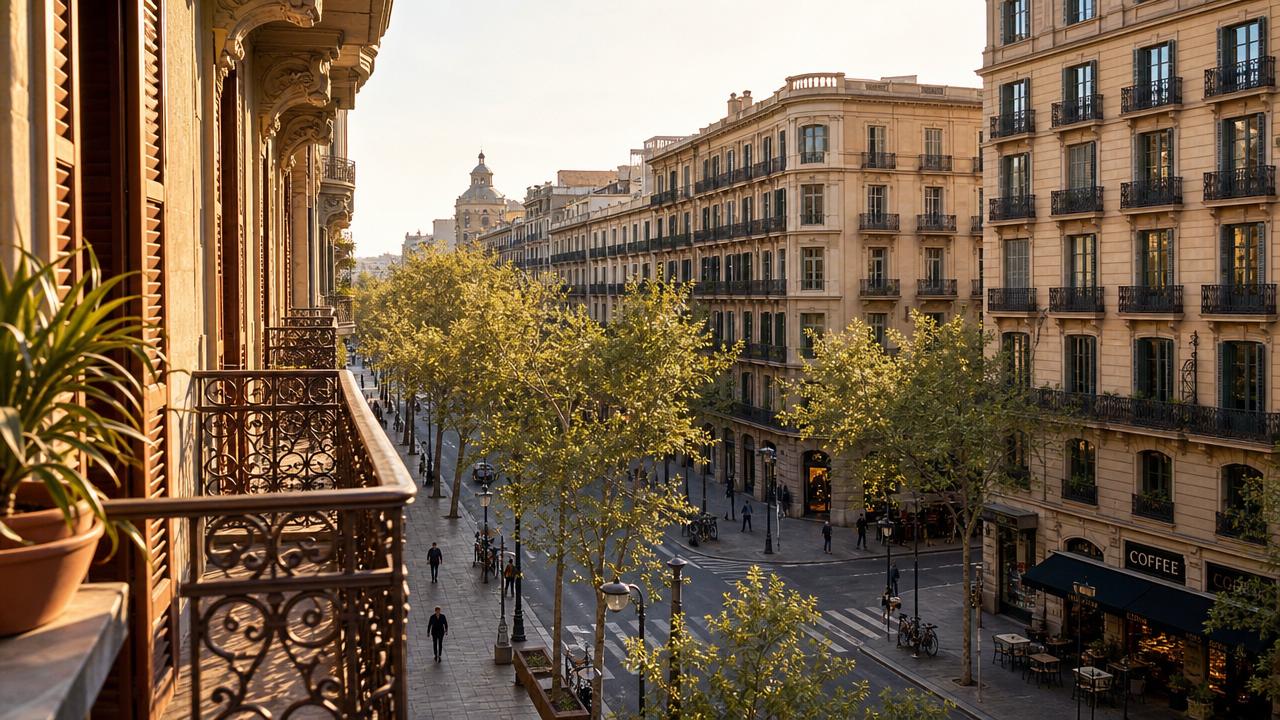
What does a slow Barcelona morning actually look like?
The best mornings in Barcelona rarely follow a strict itinerary. They have a rhythm instead.
Start with coffee from a neighborhood bakery rather than heading straight to a landmark. Walk without headphones for a while. Notice which cafés are filling with locals and which streets are still quiet enough to hear conversations drifting from open windows.
By mid-morning, Barcelona begins to change. Shops open, visitors arrive, and the city's energy builds naturally. That's usually the right moment to visit one or two major sights, knowing you've already experienced a side of the city many people miss.
A simple morning might look like this:
7:30 a.m. Pick up coffee and breakfast from a neighborhood bakery.
8:00 a.m. Walk through Eixample or Gràcia while the streets are still calm.
9:00 a.m. Visit Passeig de Gràcia or admire the architecture around Casa Batlló before larger crowds arrive.
10:00 a.m. Wander through El Born, stopping in a café or small square before moving on with the rest of your day.
It's not about doing less. It's about doing the right things at the right time.
Why do neighborhoods matter more than landmarks?
Barcelona's landmarks deserve their reputation. The Sagrada Família, Park Güell, Casa Batlló, and the Gothic Quarter all belong on many itineraries.
Yet what people often remember most isn't a single attraction.
It's the café they returned to every morning.
The walk back to the apartment after dinner.
The bakery where they ordered breakfast without needing to look at the menu.
Neighborhoods create those experiences because they invite repetition. By the third morning, the streets feel familiar. You stop checking directions quite so often. You recognize the route to your favorite coffee shop. The city begins to feel less like somewhere you're visiting and more like somewhere you're temporarily living.
That's one of Barcelona's greatest strengths.
The neighborhoods don't compete with the landmarks. They give them context.
How should you choose where to stay?
Choosing the right neighborhood often shapes the trip more than choosing the right hotel.
If you want architecture, shopping, and an easy base for exploring the city, Eixample is the strongest choice.
If you're looking for slower mornings, neighborhood cafés, and local character, Gràcia offers a more residential feel.
If your evenings revolve around tapas, wine bars, and wandering historic streets, El Born is difficult to beat.
Before booking, ask yourself a simple question.
How do you want your mornings to feel?
The answer usually points toward the right neighborhood.
Sonder's Take
Barcelona is often described through its landmarks, but it's easier to connect with the city through its neighborhoods.
A bakery you return to each morning. A quiet street that becomes part of your daily walk. A café where you spend longer than planned because there is nowhere else you need to be.
Those are the moments that shape a memorable trip.
Sonder curates stays in walkable neighborhoods where those routines develop naturally. We curate the stays. Our partners handle the bookings.
Our perspective: leave one morning completely open. Barcelona is remarkably good at showing you how to spend it.
Frequently Asked Questions
What is the best time to explore Barcelona?
Early morning is one of the best times to explore Barcelona. Streets are quieter, cafés are opening, temperatures are cooler, and many of the city's neighborhoods feel more local than visitor-focused.
Which Barcelona neighborhood is best for first-time visitors?
Eixample is the easiest neighborhood for first-time visitors thanks to its walkability, excellent Metro connections, modernist architecture, and central location.
Which Barcelona neighborhood has the best local atmosphere?
Gràcia offers one of the strongest neighborhood identities in the city, with independent cafés, village-style squares, and a relaxed pace that appeals to travelers looking for local experiences.
Is Barcelona good for slow travel?
Yes. Barcelona's compact layout, walkable neighborhoods, café culture, and outdoor lifestyle make it an excellent destination for travelers who prefer slower, more intentional trips.
How many days should you spend in Barcelona?
Three to five days gives you enough time to experience the city's major sights while also settling into neighborhood routines. Longer stays allow you to explore beyond the main attractions.
Related Reading
Where to stay in Barcelona for neighborhood-by-neighborhood recommendations.
Work-friendly stays in Barcelona if you're combining meetings with a city break.
Barcelona neighborhoods for a deeper look at the districts that reward slower travel.
Before the City Fully Wakes
Barcelona has no shortage of famous places, but its quieter moments often leave the strongest impression.
The first coffee of the morning. A bakery with a line of locals instead of visitors. The walk through Eixample before traffic builds or the peaceful streets of El Born before lunch.
These moments don't replace the city's landmarks. They make them easier to appreciate.
If your trip leaves room for a few unhurried mornings, you'll likely come home remembering not only what you saw, but how the city felt before the day properly began.

Ruby is a travel content creator passionate about helping travelers find the right destination and the perfect place to stay. She combines destination research, local insights, and practical travel advice to create engaging guides that inspire confident, memorable trips.