

The Streetcar, the Storm, and the Second Dinner
The best things to do in New Orleans aren't always planned. This guide explores the neighborhoods, traditions, and everyday moments that make the city unforgettable.
The best things to do in New Orleans aren't always planned. This guide explores the neighborhoods, traditions, and everyday moments that make the city unforgettable.
At a Glance
- The best things to do in New Orleans combine historic neighborhoods, local food, music, and time spent walking rather than rushing between attractions.
- The French Quarter, Garden District, Marigny, and Bywater each offer a different perspective on the city.
- Riding the St. Charles Streetcar is as much about the journey as the destination.
- Afternoon rain showers often create opportunities to slow down rather than interrupt your plans.
- Sonder curates stays in neighborhoods that make it easy to experience New Orleans beyond its busiest streets. Bookings are fulfilled by our partners.
Why is New Orleans best experienced slowly?
Many visitors arrive with a checklist that starts and ends on Bourbon Street .
While the French Quarter deserves its reputation, limiting your visit to a handful of famous landmarks overlooks what makes New Orleans feel unlike anywhere else in the United States.
The city reveals itself through neighborhood walks, conversations over coffee, live music drifting from open doorways, and meals that last longer than expected. Even an ordinary afternoon can change direction after a passing storm clears the streets and locals slowly return to café patios and shaded courtyards.
Rather than asking how many attractions you can fit into a day, it's worth asking how much time you can spend enjoying each neighborhood.
What are the best things to do in New Orleans?
The city's highlights are less about individual attractions than experiences that naturally unfold throughout the day.
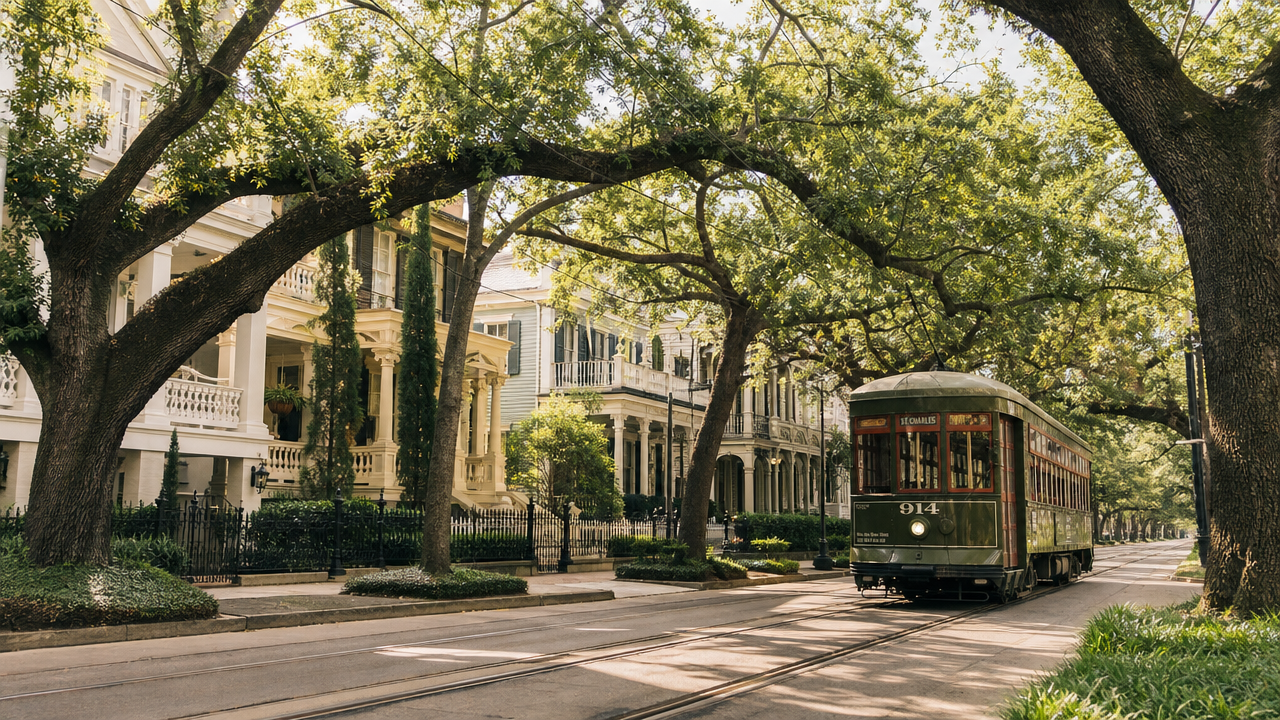
A ride aboard the historic St. Charles Streetcar offers one of the best introductions to New Orleans, passing oak-lined avenues, elegant mansions, and neighborhoods that feel far removed from the busiest tourist areas.
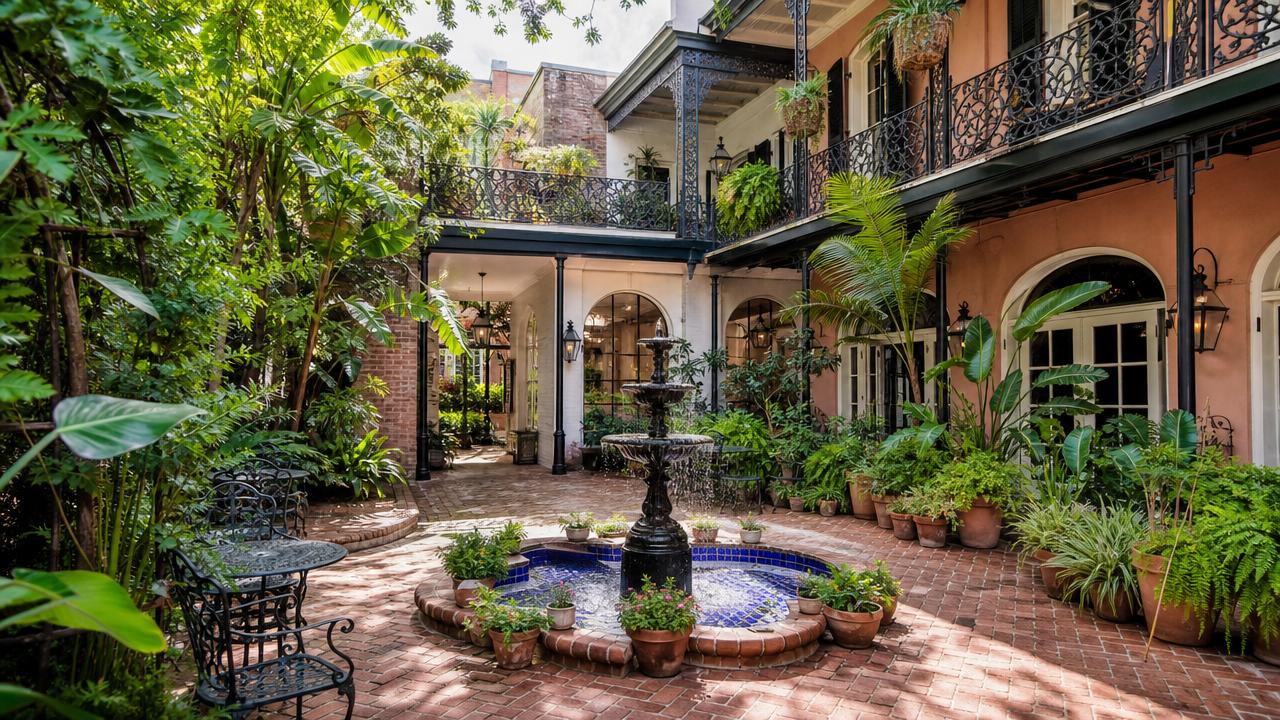
Walking through the French Quarter reveals centuries of architecture, iron balconies, quiet courtyards, and hidden alleyways beyond the better-known streets.
Spending time in the Garden District offers another side of the city, where shaded sidewalks and historic homes encourage slower exploration.
For travelers interested in local creativity, Marigny and Bywater combine independent cafés, galleries, colorful murals, and music venues with a more residential atmosphere.
Together, these neighborhoods offer a fuller picture of New Orleans than any single attraction could.
Which neighborhoods deserve your time?
Each neighborhood tells a different story.
The French Quarterremains the historic heart of the city, where architecture, music, and restaurants sit within a compact, walkable grid.
The Garden Districtfeels quieter, with grand homes, mature oak trees, and wide streets that reward long walks.
Marignyblends neighborhood cafés, live music, and colorful historic homes into one of the city's most creative districts.
Further east, Bywateroffers galleries, local restaurants, riverfront views, and an atmosphere that feels distinctly local.
Rather than trying to visit all four in one day, spending several hours in each creates a much richer understanding of the city.
Where should you eat?
Food is one of the defining reasons to visit New Orleans, and the experience extends well beyond famous restaurants.
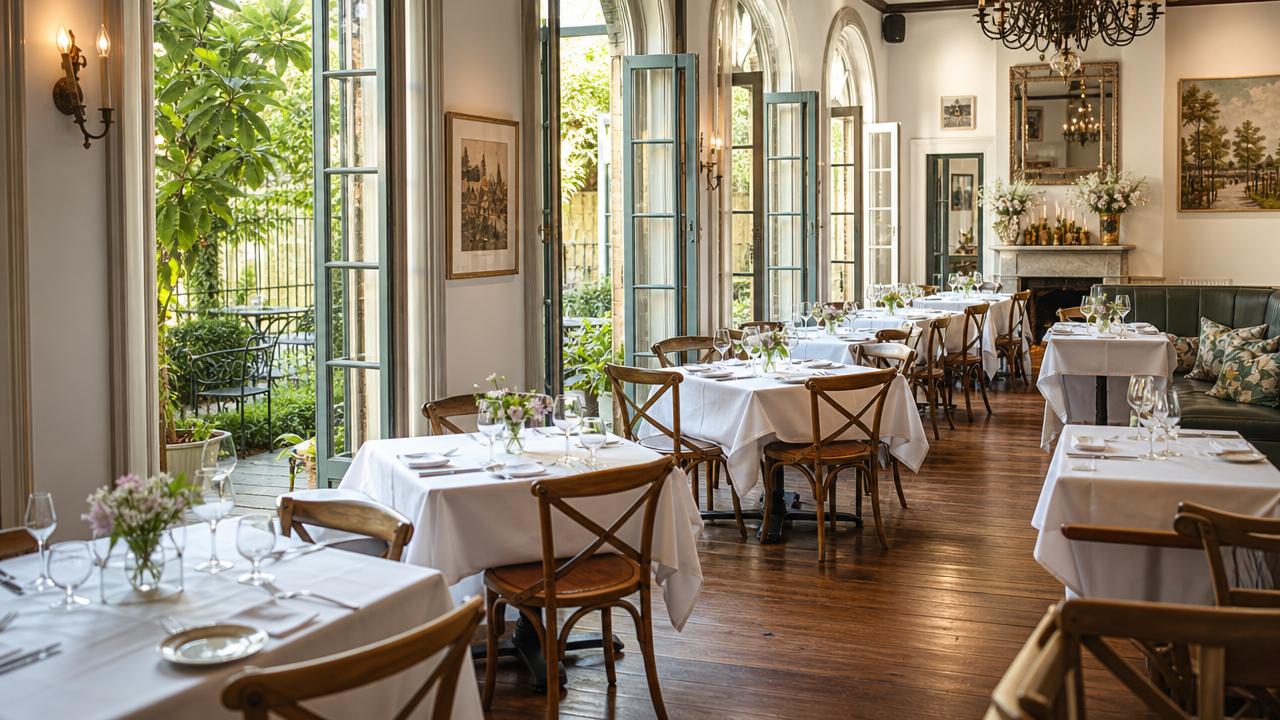
A morning might begin with coffee and fresh pastries at a neighborhood café before leading to a relaxed lunch featuring po'boys, gumbo, or seafood prepared with regional influences. As evening arrives, dinner often becomes a longer occasion, with multiple courses, conversation, and live music nearby.
It's not unusual to discover room for another meal later in the evening, whether that's sharing beignets, stopping for oysters, or lingering over dessert after a concert.
The city's dining culture encourages taking your time rather than rushing to the next reservation.
What happens when the weather changes?
New Orleans is known for sudden rain showers, particularly during the warmer months.
Instead of treating them as interruptions, many locals simply adapt. A museum visit replaces a neighborhood walk, another coffee stretches into an hour, or lunch lasts a little longer while the rain passes.
Because storms often move through quickly, the city feels refreshed afterward. Streets become quieter, courtyards glisten, and the evening air turns noticeably cooler.
Leaving flexibility in your itinerary makes it easier to enjoy these unexpected moments rather than planning around them.
Why are evenings such an important part of the city?
New Orleans doesn't simply become more active after sunset - it changes character.
Restaurants fill gradually, music begins spilling into the streets, and neighborhoods take on a slower rhythm that encourages lingering rather than moving quickly between venues.
You might finish dinner only to discover a jazz performance nearby, stop for another drink in a shaded courtyard, or decide that one more walk through the French Quarter is the perfect way to end the day.
The evening rarely follows a strict schedule, and that's often when the city feels most authentic.
Sonder's Take
New Orleans isn't a city that rewards efficiency. It rewards curiosity.
The best experiences often happen when you leave space between plans, allowing neighborhoods, conversations, and unexpected discoveries to shape the day.
Sonder curates stays in neighborhoods where it's easy to experience New Orleans one walk, one meal, and one street at a time. We curate the stays. Our partners handle the bookings.
Our perspective: if your favorite memory wasn't on your itinerary, New Orleans probably introduced itself the way locals know it best.
Frequently Asked Questions
What are the best things to do in New Orleans?
Ride the St. Charles Streetcar, explore the French Quarter, visit the Garden District, discover Marigny and Bywater, enjoy live music, and experience the city's renowned restaurants.
Is New Orleans walkable?
Yes. Neighborhoods like the French Quarter, Marigny, and parts of the Garden District are easy to explore on foot, while the streetcar connects several key areas.
How many days should you spend in New Orleans?
Three to four days allows enough time to experience several neighborhoods, enjoy local food, visit museums, and experience the city's music scene without rushing.
When is the best time to visit New Orleans?
Spring and autumn generally offer pleasant weather for walking and outdoor dining, while winter also attracts visitors with festivals and cultural events.
What is New Orleans known for besides Bourbon Street?
The city is known for its historic architecture, streetcars, jazz, distinctive cuisine, neighborhood culture, oak-lined streets, and vibrant arts scene.
Let the City Change Your Plans
The best things to do in New Orleans aren't always the ones you planned before arriving.
Sometimes it's the streetcar ride that takes longer because you stay on until the end of the line. Sometimes it's the rainstorm that leads you into a café you hadn't noticed. Sometimes it's deciding on a second dinner because the evening feels too good to end.
Those moments are what give New Orleans its lasting appeal. The city doesn't ask you to see everything. It simply asks you to stay curious long enough for the day to unfold on its own.

Ruby is a travel content creator passionate about helping travelers find the right destination and the perfect place to stay. She combines destination research, local insights, and practical travel advice to create engaging guides that inspire confident, memorable trips.