


Where to Stay in London When Every Neighborhood Feels Like a Different Trip
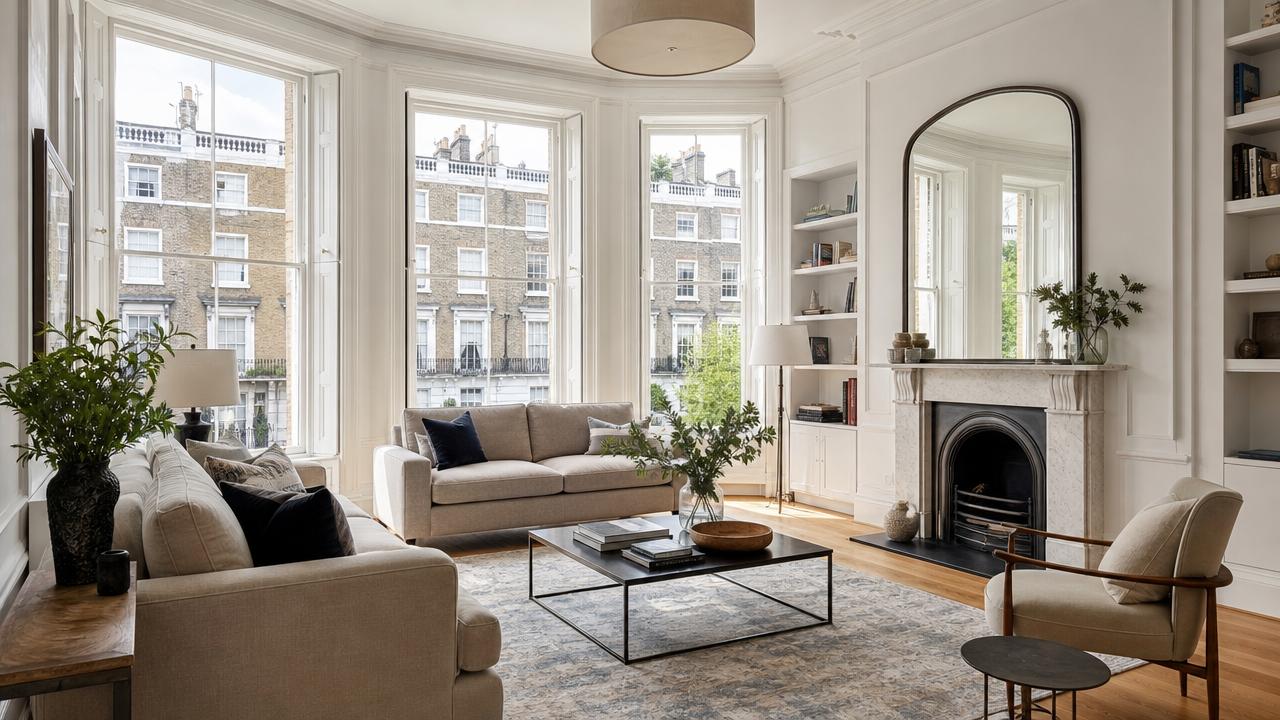
Knowing where to stay in London can completely change your experience of the city. This guide compares neighborhoods that balance convenience, local character, and memorable places to stay.
At a Glance
- The best places to stay in London include Covent Garden, Soho, South Kensington, Shoreditch, Notting Hill, and Marylebone.
- Choose a neighborhood based on how you want to spend your mornings and evenings, not simply which landmarks are nearby.
- London's Underground connects every major district, making it easy to stay outside the busiest tourist areas.
- Walkable neighborhoods with cafés, parks, restaurants, and independent shops often create the most memorable trips.
- Sonder curates stays in neighborhoods that help travelers experience London beyond the major attractions. Bookings are fulfilled by our partners.
Where should you stay in London?
The answer depends less on what you want to see and more on how you want your days to feel.
London isn't a city with one center. Instead, it's a collection of villages that gradually grew together over centuries. Walk a few blocks and the architecture changes. Cross a park and the atmosphere shifts completely. Ride the Tube for ten minutes and it can feel like you've arrived in another city altogether.
That's why choosing where to stay in London matters so much.
The neighborhood becomes part of your itinerary, shaping your mornings before sightseeing begins and your evenings after the museums close.
Here's a quick comparison.
| Neighborhood | Best For | Atmosphere |
| Covent Garden | First-time visitors | Central, lively, walkable |
| Soho | Dining and nightlife | Energetic, creative |
| Marylebone | Slower city breaks | Elegant, local |
| South Kensington | Museums and parks | Refined, residential |
| Shoreditch | Design and creativity | Contemporary, vibrant |
| Notting Hill | Local character | Colorful, relaxed |
Each offers a different version of London while remaining well connected by public transport.
Why stay in Covent Garden?
If you're visiting London for the first time, Covent Garden is difficult to beat.
Many of the city's best-known attractions sit within walking distance. Leicester Square, Trafalgar Square, the West End theatres, Somerset House , and the Thames are all nearby, while countless restaurants and cafés fill the surrounding streets.
The neighborhood stays lively from morning until late evening without ever feeling dominated by office workers.
Street performers animate the central piazza throughout the day, while quieter side streets reveal independent boutiques and historic pubs that have served Londoners for generations.
You can easily spend an afternoon here without following a map.
For travelers who want convenience without sacrificing atmosphere, Covent Garden remains one of London's strongest choices.
Is Soho the best neighborhood for food lovers?
Few places in London pack so much variety into so few streets.
Soho has always reinvented itself, evolving from entertainment district to culinary destination while keeping its creative energy intact.
Restaurants representing almost every cuisine sit beside independent cocktail bars, cafés, jazz clubs, bakeries, bookstores, and small theatres.
The neighborhood works particularly well if your evenings matter as much as your sightseeing.
After dinner, you're already surrounded by London's live music venues, theatre district, and some of the city's best late-night cafés.
Despite its reputation, Soho isn't only about nightlife.
Early mornings reveal a quieter side, when deliveries replace crowds and local cafés become the neighborhood's living room before the day fully begins.
Why choose Marylebone?
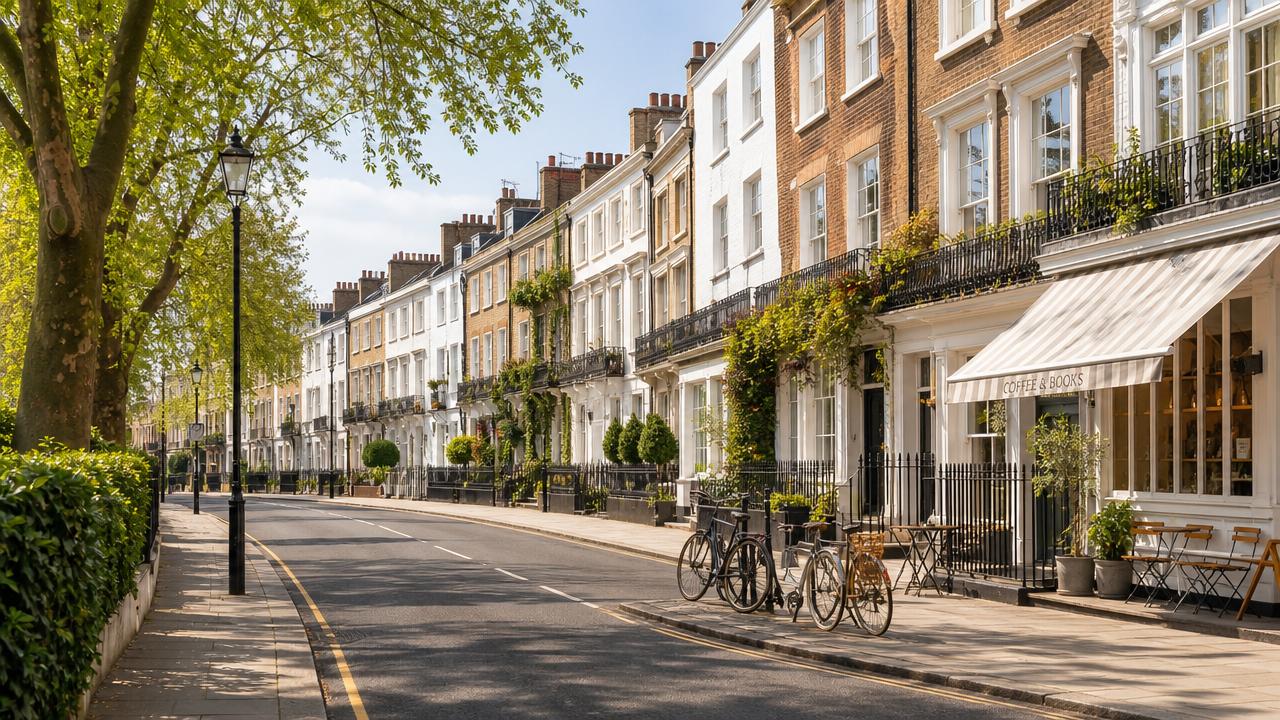
Marylebone offers one of London's most balanced neighborhoods , combining central convenience with a noticeably calmer atmosphere than many nearby districts. Elegant Georgian streets, independent bookshops, neighborhood cafés, and leafy garden squares create an environment that feels residential without being removed from the city's major attractions.
Marylebone High Street is widely regarded as one of London's best shopping streets, thanks to its mix of independent retailers, specialty food shops, and local cafés rather than international chains. Regent's Park is only a short walk away, adding expansive green space to a neighborhood that's already easy to explore on foot.
The area is particularly well suited to longer stays because daily routines develop naturally. Returning to the same bakery, discovering a favorite café, or taking an evening walk through familiar streets gives the neighborhood a sense of comfort that's surprisingly easy to settle into.
Is South Kensington the best choice for museums?
For culture lovers, South Kensington has few rivals.
The Victoria and Albert Museum , Natural History Museum, and Science Museum all stand within minutes of one another, allowing you to spend an entire day exploring without needing public transportation.
The neighborhood itself feels elegant rather than busy.
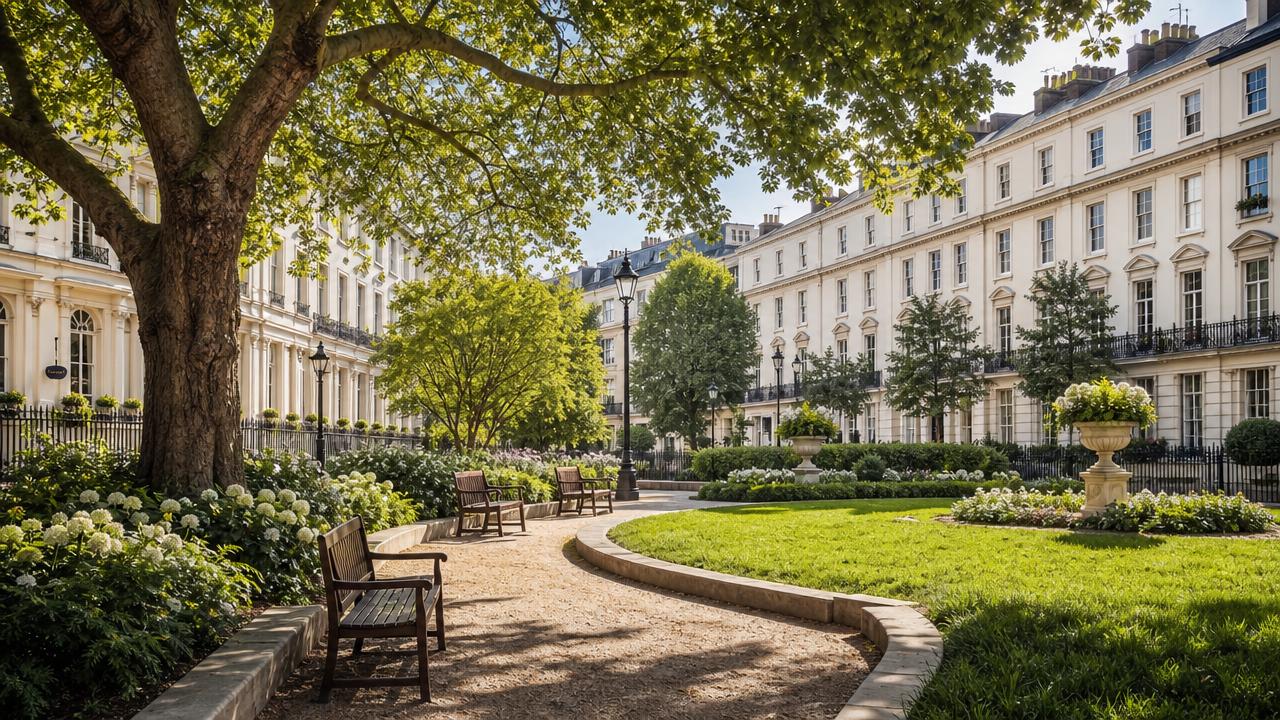
White stucco townhouses line broad streets, garden squares provide quiet places to pause, and nearby Hyde Park offers space to escape the city's pace.
Restaurants tend to be relaxed, cafés spill onto quiet sidewalks, and evenings remain noticeably calmer than central entertainment districts.
It's an ideal neighborhood if your London itinerary includes museums, architecture, and leisurely afternoons.
What makes Shoreditch different?
Shoreditch represents London's constantly evolving creative side.
Former warehouses now house galleries, design studios, cafés, boutique hotels, independent fashion brands, and some of the city's most interesting restaurants.
Street art changes regularly, making every visit slightly different.
Markets such as nearby Spitalfields and Brick Lane add another layer of local character, while converted industrial buildings create an atmosphere unlike anywhere else in central London.
Shoreditch suits travelers who enjoy discovering neighborhoods rather than simply visiting attractions.
It rewards curiosity.
One interesting street usually leads to another.
Should you stay in Notting Hill?
If your idea of London includes colorful houses, neighborhood bookshops, and slow weekend mornings, Notting Hill is an easy recommendation.
The neighborhood balances residential calm with lively local businesses.
Portobello Road Market remains one of London's most famous street markets, while nearby cafés, bakeries, and independent shops encourage wandering without any particular destination.
The architecture alone makes the area memorable.
Victorian terraces painted in soft pastels sit beside leafy squares that feel almost untouched by time.
Although it's well connected to central London, Notting Hill rarely feels hurried.
It's one of the easiest places in the city to slow down.
How do you choose the right neighborhood?
The best neighborhood isn't always the one closest to London's biggest landmarks. Instead, think about how you want to spend the hours before and after sightseeing.
Some travelers prefer stepping outside to museums and historic attractions, while others value quiet mornings in neighborhood cafés or evenings spent walking residential streets after dinner. Access to restaurants, parks, local shops, and public transportation often has a greater impact on the overall experience than being within walking distance of a single landmark.
Because London's Underground connects every major district so efficiently, choosing a neighborhood that matches your travel style usually creates a more enjoyable trip than simply choosing the most central location.
Which neighborhood suits your travel style?
For first-time visitors
Covent Garden combines walkability, theatre, restaurants, and easy access to many of London's best-known attractions.
For food lovers
Soho offers one of the city's richest collections of restaurants, cafés, bars, and independent dining experiences.
For slower city breaks
Marylebone balances elegant streets, local businesses, parks, and central convenience.
For museums and culture
South Kensington provides immediate access to world-class museums while maintaining a peaceful residential atmosphere.
For creative travelers
Shoreditch combines design, contemporary art, independent businesses, and constantly evolving local culture.
For neighborhood charm
Notting Hill delivers colorful streets, weekend markets, cafés, and one of London's most distinctive residential settings.
Why does neighborhood matter more than sightseeing?
London's famous attractions are only part of what makes the city memorable. Landmarks such as Big Ben, Tower Bridge, Buckingham Palace, and the British Museum are easy to include in almost any itinerary, regardless of where you stay.
What shapes the rest of the trip is the neighborhood you return to each day. It's where you'll find your morning coffee, discover a favorite bakery, browse independent shops, or take an evening walk after dinner. These everyday routines create a stronger sense of place than moving from one attraction to the next.
One neighborhood might revolve around museums and elegant garden squares, while another is defined by creative studios, neighborhood markets, or independent restaurants. Experiencing those different local identities is what gives London its remarkable depth and is often the reason travelers leave feeling they've experienced more than just its famous sights.
Sonder's Take
The best place to stay in London isn't necessarily the closest to every attraction.
It's the neighborhood you'll enjoy waking up in.
Whether that's coffee in Marylebone, museums in South Kensington, dinner in Soho, or quiet mornings in Notting Hill, choosing the right neighborhood lets London become part of your routine instead of simply your sightseeing itinerary.
Sonder curates stays in neighborhoods where travelers experience London through its streets, cafés, parks, and everyday life. We curate the stays. Our partners handle the bookings.
Our perspective: if you're already looking forward to walking your own neighborhood before you've even planned the rest of your day, you've probably chosen well.
Frequently Asked Questions
Where should first-time visitors stay in London?
Covent Garden is one of the best choices thanks to its central location, walkability, restaurants, theatres, and easy access to many of London's major attractions.
What is the best neighborhood for food in London?
Soho offers one of London's strongest dining scenes, with restaurants representing cuisines from around the world alongside cafés, bakeries, and cocktail bars.
Which London neighborhood is best for museums?
South Kensington is home to the Victoria and Albert Museum, the Natural History Museum, and the Science Museum, making it London's leading museum district.
Is London easy to explore without a car?
Yes. London's Underground , buses, and rail network make it one of the easiest major cities in the world to explore using public transportation.
How many neighborhoods should you explore during one trip?
Three or four neighborhoods are usually enough for a long weekend. Spending more time in fewer places often gives you a better understanding of London than trying to see every district.
Related Reading
Luxury Aparthotels in London for Work Trips That Turn Into Weekends
Beyond the Usual Sights: A London Travel Guide for Slower Days
London Neighborhoods for Cafés, Culture, and Tables Worth Booking
Let London Become Familiar
London rewards repeat visits because every neighborhood feels like a different city waiting to be discovered.
The best trips don't come from crossing off every landmark.
They come from returning to the same café, taking the longer route through a garden square, and finding yourself recognizing familiar streets after only a few days.
Choose the neighborhood that matches the way you like to travel, and London becomes far more than a collection of famous sights. It becomes somewhere you'll already know a little when you decide to come back.

Ruby is a travel content creator passionate about helping travelers find the right destination and the perfect place to stay. She combines destination research, local insights, and practical travel advice to create engaging guides that inspire confident, memorable trips.