

A Work-and-Weekend Guide to Denver, From Coffee Shops to Rooftop Views
A business trip doesn't have to end when the meetings do. This guide to work trip hotels in Denver explores neighborhoods that balance productivity, local dining, and weekends worth extending.
A business trip doesn't have to end when the meetings do. This guide to work trip hotels in Denver explores neighborhoods that balance productivity, local dining, and weekends worth extending.
Denver as a City That Works in Two Modes
This is why many travelers searching for work trip hotels in Denver end up looking for something slightly different from a traditional hotel stay. They are not just planning where to sleep, but how to live across a few days that blend work and downtime. The city makes that easier than expected, especially when you stay in neighborhoods that let you move naturally between both.
Where Work Actually Feels Easy in Denver
Denver does not force a single “business district experience” the way some cities do. Instead, work spreads across neighborhoods that feel lived in rather than purely corporate.
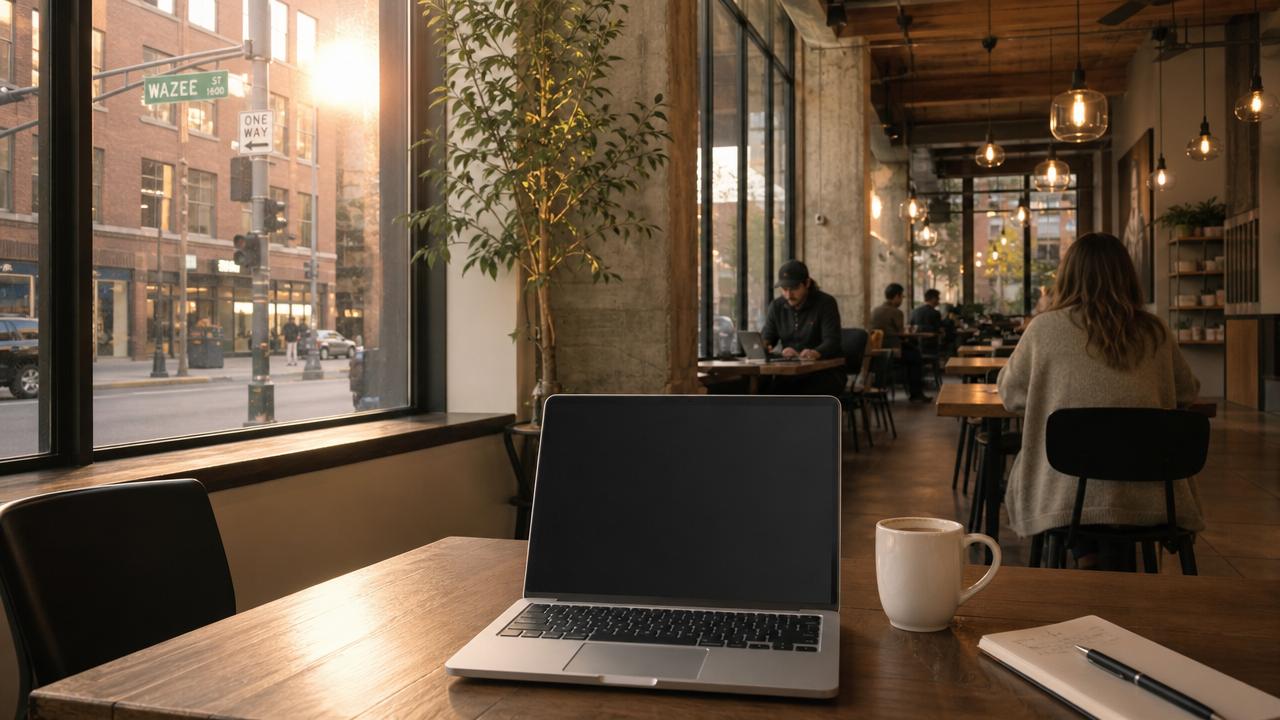
LoDo, short for Lower Downtown, is where many work trips naturally begin. It sits close to Union Station , which makes arrival and movement simple, and it carries a mix of restored buildings, modern offices, and walkable streets. Mornings here often start with coffee shops filling up with laptops and quiet conversations, while afternoons shift between meetings and casual lunches within a few blocks.
Just beyond it, RiNo Art District brings a more creative edge to the workday. Converted warehouses, design studios, and open spaces make it popular for remote work setups or longer stays where you are not tied to a strict office schedule. The atmosphere is less formal but still productive, which is exactly what many modern work trips need.
Cherry Creek offers a different pace altogether. It feels more residential and polished, with tree-lined streets and quieter surroundings. It suits travelers who prefer a slower work environment, where focus comes more easily and evenings feel more settled.
Each of these areas supports a different kind of work trip , but they all share one thing. They make it easy to stay longer without feeling like you are stuck in a temporary space.
The Shift From Hotels to Aparthotel Living
Traditional hotels still serve a purpose in Denver, but they often fall short when your trip expands beyond a couple of nights. Work travel today rarely stays neatly within weekday boundaries. A meeting turns into a longer stay, or a short assignment quietly becomes a hybrid work and weekend trip.
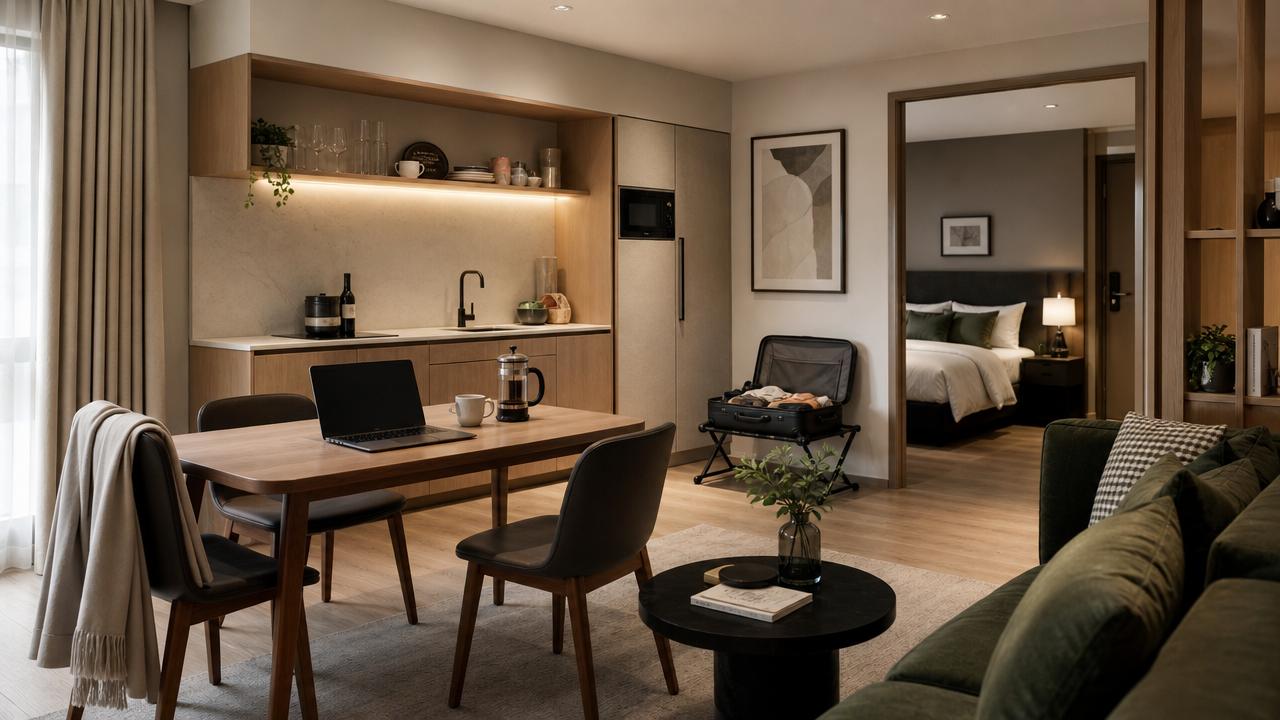
This is where aparthotel-style living changes the experience entirely. Instead of a single room designed mainly for sleeping, you get space that actually supports daily routines. A place to work without clearing off the desk for dinner. A kitchen that makes morning coffee feel unhurried. A living area that lets the day naturally transition into evening without needing to “go somewhere else.”
For many travelers, the difference is not just comfort. It is continuity. The ability to keep your rhythm in a new city without feeling like you are constantly resetting it.
How to Choose the Right Area for Your Work Trip
Choosing where to stay in Denver is less about landmarks and more about how you want your days to feel.
If your trip is heavily meeting-focused, staying near LoDo or Union Station reduces friction in your schedule. You can move between appointments, transit, and meals without thinking too much about logistics.
If your work involves flexibility or remote hours, RiNo offers a more dynamic environment where cafés and creative spaces become part of your daily structure. It works especially well for travelers who mix focus time with exploration.
If you want separation between work and leisure, Cherry Creek creates that balance naturally. Work happens in a calm environment, while evenings can be spent in nearby dining areas or quiet walks without the intensity of a dense urban core.
The key is not just convenience. It is choosing a neighborhood that matches your pace, so the city supports your work instead of interrupting it.
What a Work-Ready Stay in Denver Actually Looks Like
A well-designed stay for work travel is not defined by luxury alone. It is defined by usability.
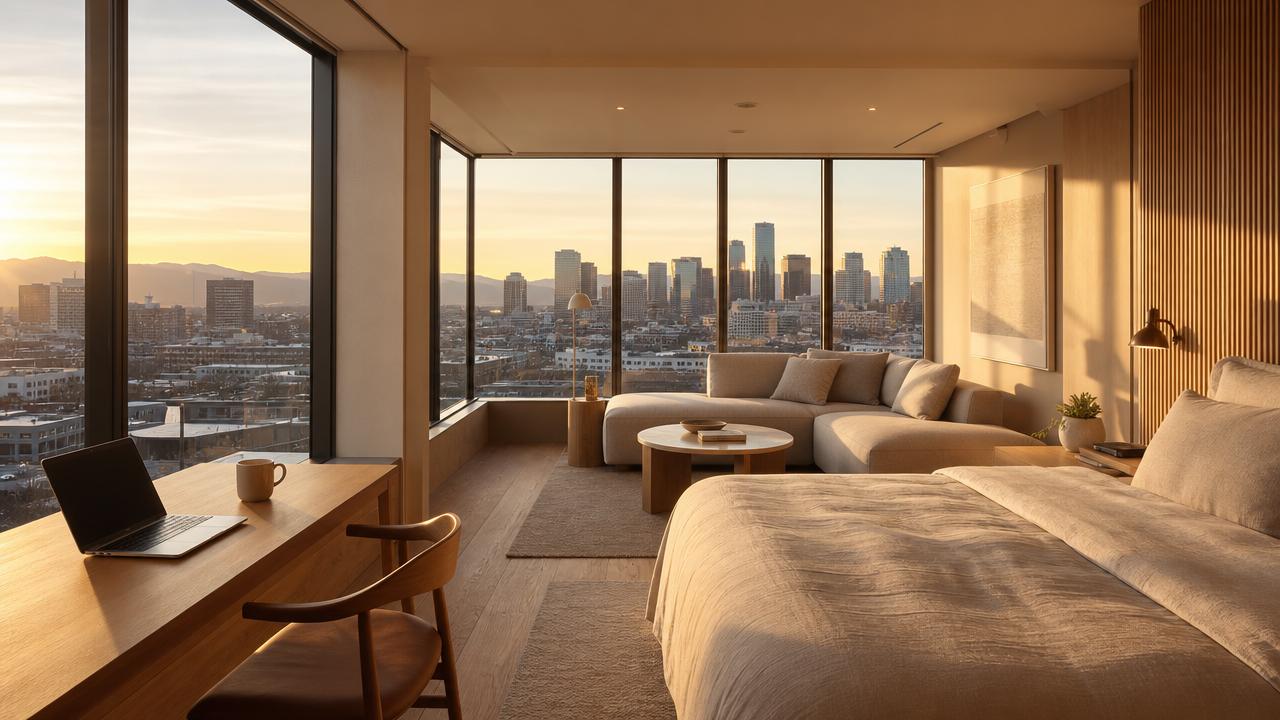
In Denver, the best stays tend to offer quiet interiors where natural light becomes part of the workspace . A proper desk or dining surface that can function as a work area matters more than people expect. Reliable internet is assumed, but comfort is what makes the difference over several days.
Small details start to matter quickly. Having space to unpack instead of living out of a suitcase changes how the trip feels. A separate living area means calls do not happen from the bed. A kitchen, even a simple one, means mornings do not depend on schedules or room service hours.
These are not dramatic features, but they are the ones that quietly improve a work trip the longer it lasts.
What to Do When the Workday Ends
One of Denver’s strongest advantages is how easily it shifts from work mode to something more relaxed without requiring much effort.
After a full day, LoDo offers easy evenings where dinner and drinks are always within walking distance. Rooftop spaces become especially popular here, where the skyline feels close but not overwhelming.
RiNo feels more exploratory. Evenings often stretch into gallery visits, casual dining, or just walking through streets that feel more creative than corporate.
Cherry Creek slows things down further. It is the kind of area where evenings are less about activity and more about settling into a calm routine, whether that means a quiet restaurant or an early night before another workday.
The important part is that nothing feels forced. You can do as much or as little as you want without leaving your neighborhood.

Weekend Energy: Why You Stay Longer Than Planned
Many travelers arrive in Denver thinking in terms of a work week and leave realizing they have stayed into the weekend. The city naturally supports that shift.
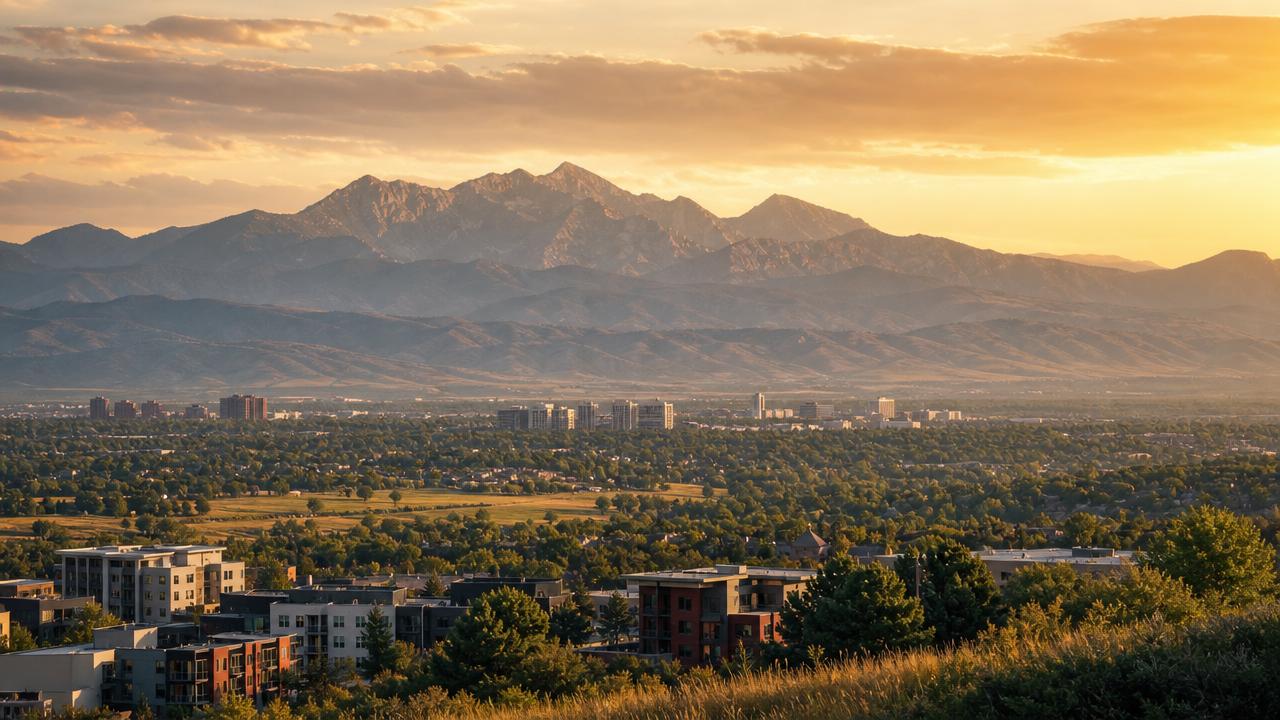
Within a short distance, outdoor trails, mountain views, and open-air spaces become part of the experience. Even if you are not planning a full “outdoor trip,” the option to step outside the city structure is always there.
This is where work trip hotels in Denver become something more flexible in practice. The stay does not need to end when the meetings do. Instead, the same space becomes a base for a completely different pace of travel.
Quick Facts: Work Trips in Denver
Denver sits at a higher altitude, which gives it a dry climate and strong seasonal variation. The city operates in Mountain Time . English is the primary language, and US Dollar is the local currency. Peak business travel tends to align with spring and fall, when weather is most stable and outdoor access is comfortable. Neighborhoods matter more than proximity to a single central district, especially for travelers blending work and leisure.
What to Pack for a Work Trip in Denver
A work trip in Denver feels smoother when you pack for both structure and flexibility. The city shifts quickly between meetings, café work sessions, and relaxed evenings, so it helps to bring items that support both sides of the trip. Comfortable layers are useful since temperatures can change throughout the day, especially if you are moving between indoor spaces and outdoor walks. A reliable laptop setup also matters more than usual, as many travelers end up working from cafés or aparthotel spaces instead of formal offices. Beyond work essentials, it is worth leaving space for casual outfits that transition easily into dinners or rooftop evenings, since the city naturally extends workdays into social time.
FAQ
What are the best areas for work trip hotels in Denver?
LoDo, RiNo, and Cherry Creek are the most popular areas depending on whether your trip is focused on meetings, flexibility, or a quieter work environment.
Is Denver good for remote work travel?
Yes, Denver is increasingly popular for remote work due to its mix of walkable neighborhoods, strong café culture, and easy access to both urban and outdoor environments.
How many days should you stay in Denver for work and weekend travel?
Most travelers find that three to five days works well, but many extend their stay once they realize how easily the city supports both work and leisure.
Do you need a car in Denver for a work trip?
Not necessarily. Many central neighborhoods are walkable, and rideshare services or light rail connections cover most business and leisure needs.
What makes Denver different from other US business cities?
It combines structured work environments with immediate access to outdoor and leisure spaces, making it easier to extend business trips into lifestyle stays.
What will you remember about Denver?
If you are planning a work trip to Denver, the best experience often comes from choosing a stay that fits the way you actually move through a city. Explore curated work-friendly aparthotels and neighborhood stays designed for both focus and downtime, and find a base that lets you stay longer without feeling like you are stretching your trip.

Ruby is a travel content creator passionate about helping travelers find the right destination and the perfect place to stay. She combines destination research, local insights, and practical travel advice to create engaging guides that inspire confident, memorable trips.