US $319/Night
Mumbai stays by Sonder
Mumbai moves in layers of sea air, traffic, and stone.
Sonder Mumbai Places to Stay
Mumbai moves from old lanes to art deco fronts, inviting you to wander and remember.

About Mumbai
Layered, fast-moving, always pushing forward.
Mumbai moves in long layers of monsoon rain, local trains, and late-night energy, where Marine Drive, street-side vada pav, and colonial landmarks make the city unmistakable.
What Makes Mumbai Mumbai
- Marine Drive at dusk
- Dabbas on local trains
- Ganesh processions in the streets
- Kala Ghoda to Colaba
Mumbai stays
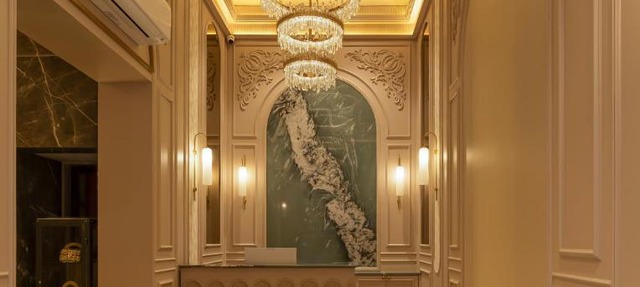


 8.9
8.9

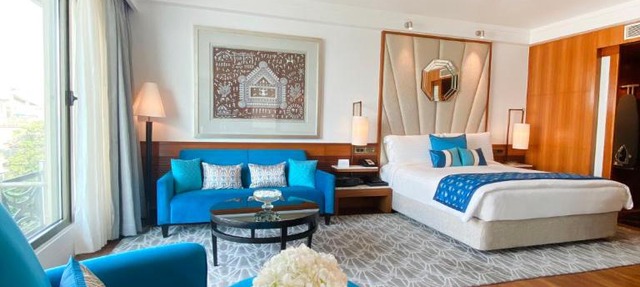 8.5
8.5
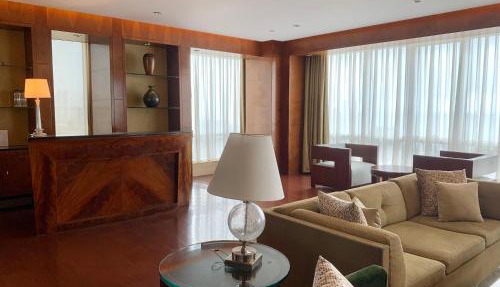


 8.7
8.7
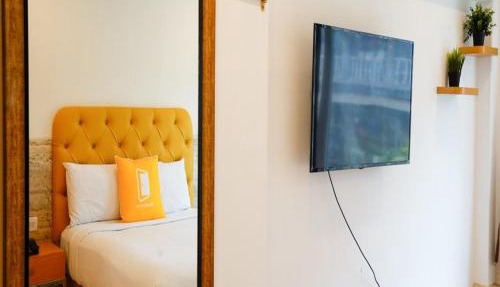
 8.1
8.1
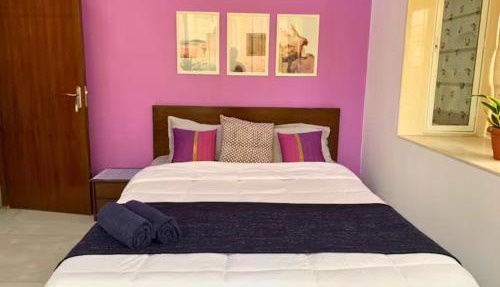 9.5
9.5

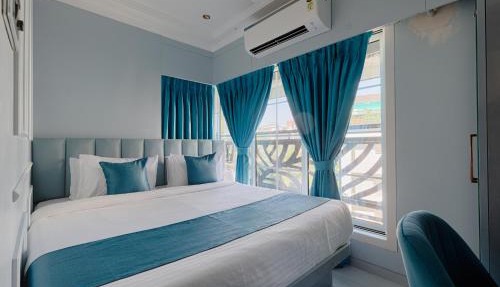
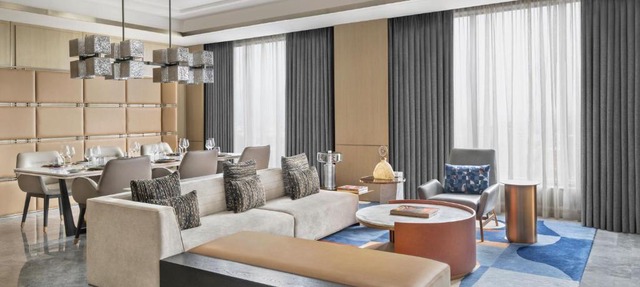
 9.5
9.5
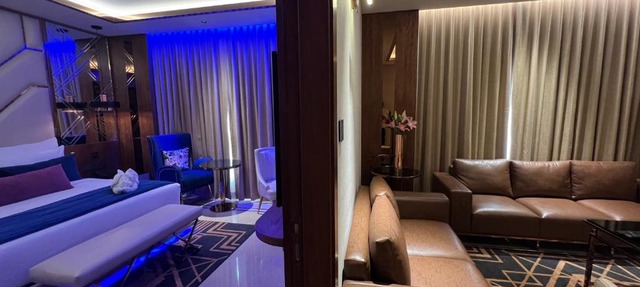
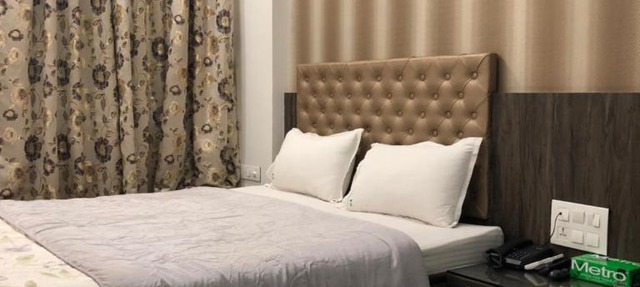

8.2


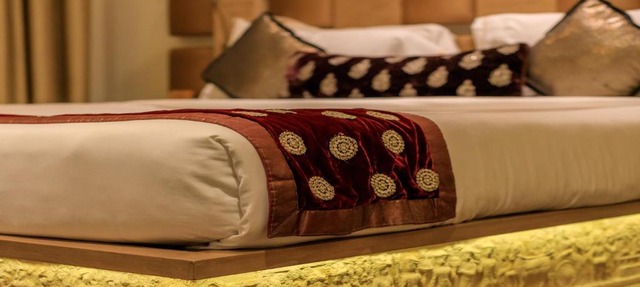
 8.3
8.3

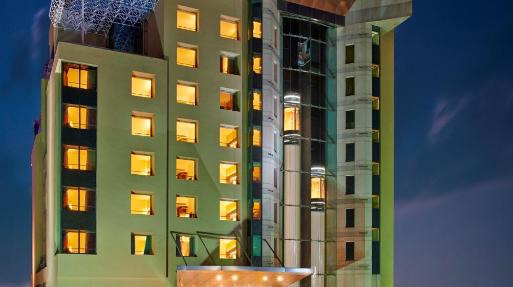
Pick the part of the city to wake up in.
Stays grouped by the way people travel, so you can start from the trip you want rather than a list of rooms in Mumbai.


US $199/Night
Apartment
8.9(139 Reviews)
22 Bedrooms
34 Guests
 Air Conditioner
 Internet
 Child Friendly
 Accessibility
US $141/Night
Hotel
8.5(530 Reviews)
 Oceanfront
 Breakfast
 Parking
 Pool
Pool
US $286/Night
US $353/Night
US $202/Night
Hotel
8.7(1234 Reviews)
- Oceanfront
- Breakfast
 Spa
Spa Ocean View
US $142/Night
Hotel
8.1(898 Reviews)
- Parking
 Balcony/Terrace
- Air Conditioner
- Child Friendly
US $133/Night
Apartment
9.5(4 Reviews)
2 Bedrooms
6 Guests
- Internet
 Pet Friendly
- Accessibility
 Security/Safety
US $108/Night
US $169/Night
US $72/Night

US $78/Night
Aparthotels in Mumbai
Over 24+ Apartment-Style Stays with Hotel Comfort in Mumbai
US $352/Night
Apartment
9.5(16 Reviews)
80 Bedrooms
46 Guests
 Hot Tub
- Breakfast
- Parking
- Pool
US $123/Night

US $147/Night
US $52/Night
US $236/Night

Apartment
8.2(149 Reviews)
22 Bedrooms
42 Guests
- Breakfast
- Balcony/Terrace
 Kitchen
- Air Conditioner
US $92/Night

US $161/Night
US $111/Night
US $208/Night
US $203/Night
US $166/Night
US $245/Night
Boutique Hotels in Mumbai
Over 5+ Design-Led Boutique Stays in the Best Neighborhoods of Mumbai
US $98/Night
US $149/Night
Hotel
8.3(18 Reviews)
- Breakfast
- Air Conditioner
- Internet
 Wheelchair Accessible
US $72/Night
US $138/Night
US $82/Night
Mumbai at a Glance
Where the city moves and lingers.
Walkable in parts, food-led, and easy to settle into, Mumbai feels fast, layered, and meant for walking.
Known for
A city of financial power, Hindi cinema, colonial-era streets, and layered neighborhood life, where local trains, offices, temples, markets, and late-night food shape the daily rhythm.
Best for
Best for first-time urban explorers, food-led trips, architecture lovers, and work stays that stretch into a weekend of galleries, markets, and long city walks.
Walkability
Explore on foot in compact pockets such as Fort, Colaba, and Marine Drive, with each area rewarding slow street-level wandering between cafes, landmarks, and storefronts.
Closest airport
Chhatrapati Shivaji Maharaj International Airport (BOM), north of the city center.
Ideal trip length
Three to four nights gives enough time to settle into the pace, move between neighborhoods, and balance landmark sightseeing with unhurried meals and evenings out.
Vibe
Layered, kinetic, polished, street-level, cosmopolitan
The Mumbai Experience
What lingers after a day in Mumbai.
Some moments feel more Mumbai than others, the everyday rituals and things to do in Mumbai that travelers carry home.
Start with chai at a street-side stall
Watch office commuters and neighbors pause for cutting chai, then move on with a paper cup in hand. The rhythm is quick, familiar, and firmly part of the day.
Catch the local train with the morning crowd
At a local train station, people flow through platforms with practiced speed, balancing bags, lunch tins, and brief conversations before the workday begins.
Pick up produce from a neighborhood market
Fruit sellers, spice counters, and flower stalls turn a simple errand into a sensory loop. Regulars compare produce, settle purchases, and head home with the day’s provisions.
Linger over a lunch thali at a small eatery
A neighborhood eatery serves a steady midday crowd looking for something filling and familiar. Expect steel plates, quick service, and the low hum of lunch breaks.
Watch office commuters and neighbors pause for cutting chai, then move on with a paper cup in hand. The rhythm is quick, familiar, and firmly part of the day.
At a local train station, people flow through platforms with practiced speed, balancing bags, lunch tins, and brief conversations before the workday begins.
Fruit sellers, spice counters, and flower stalls turn a simple errand into a sensory loop. Regulars compare produce, settle purchases, and head home with the day’s provisions.
A neighborhood eatery serves a steady midday crowd looking for something filling and familiar. Expect steel plates, quick service, and the low hum of lunch breaks.
Neighborhoods of Mumbai
Every few blocks, a different Mumbai.
From historic streets to leafy waterfront, each neighborhood offers its own way
to spend a day in the city.


When to Visit Mumbai
Months that change Mumbai’s rhythm.
Many travelers aim for October through February, when cooler weather and Diwali or winter festivities make Mumbai easier to explore.
Spring
Spring moves through South Mumbai with gallery openings, street processions, and long café evenings. The city feels polished yet lively, with easy walks between heritage blocks and train stops.
Summer
Summer slows the daytime rhythm, then shifts into later indoor hours and long dinner tables. Side streets feel more local, with cinemas, food lanes, and office crowds thinning after dark.
Fall
Fall arrives with a denser street rhythm, devotional music, lantern light, and crowds moving between temples, chowks, and apartment balconies. The city feels communal, noisy, and fully on display.
Winter
Winter brings clearer routines, brisk walks, and a more polished evening mood. Markets, museums, and performance spaces anchor days, while neighborhoods feel calmer and more deliberate after work.
Spring moves through South Mumbai with gallery openings, street processions, and long café evenings. The city feels polished yet lively, with easy walks between heritage blocks and train stops.
Summer slows the daytime rhythm, then shifts into later indoor hours and long dinner tables. Side streets feel more local, with cinemas, food lanes, and office crowds thinning after dark.
Fall arrives with a denser street rhythm, devotional music, lantern light, and crowds moving between temples, chowks, and apartment balconies. The city feels communal, noisy, and fully on display.
Winter brings clearer routines, brisk walks, and a more polished evening mood. Markets, museums, and performance spaces anchor days, while neighborhoods feel calmer and more deliberate after work.
Rituals locals return to.
From Irani cafés to evening walks on Marine Drive, these are the Mumbai places locals return to again and again.
Start the day at a Fort café
Around Kala Ghoda and Fort, small cafés fill with office workers, students, and longtime regulars easing into the morning over chai, toast, and newspapers.
Eat seafood near Sassoon Dock
Early at Sassoon Dock, you catch fishermen unloading the day’s catch, then head to nearby eateries in Colaba where seafood stays firmly part of local routine.
Wander bookshops and arcades in Fort
Browse bookstores, browse Horniman Circle’s arcades, and pause for a tea break. This part of Fort rewards unhurried walks and repeat visits more than a plan.
A few things worth knowing.
Notes that help you plan a trip to Mumbai.
Most walkable areas
Colaba, Fort, and Churchgate reward unhurried walks, with cafes, offices, and heritage streets close together.
Getting around
Use local trains, Metro lines, and cabs to cross the city; traffic makes short distances take longer than expected.
Ideal trip length
Three to four nights lets you cover South Mumbai, then spend a day in Bandra or Lower Parel.
Good for work trips
Apartment-style stays with kitchens and fast Wi-Fi where available fit long meetings, especially around BKC, Lower Parel, and Andheri.
Good to know
Mumbai travel questions, answered.
Quick answers to the questions travelers ask most.
01 / 07
What are the top Boutique Hotels and Aparthotels in Mumbai?
Discover top family-friendly travel options in or near Mumbai. If you're planning a trip or vacation to Mumbai, consider spending a week or two at any of our welcoming family-allowed hotels, resorts, or other recommended properties. These are renowned as the Top Vacation Rentals and Places to Stay in Mumbai:
- Lakefront AC Balcony LakeView Studio Apartment at Hiranandani Estate, Thane
- Spacious Garden Facing 2 BHK in Sanpada 5 mins from DY Patil Stadium
- Garden-View Studio Apartment in Sanpada, Navi Mumbai
- Garden View Terrace 1 BHK in Sanpada, Navi Mumbai
- Dominos 1 BHK Apartment, Near Carter Road by Connket Homes
- Spacious 1 BHK Apartment in Sanpada, 9 mins from Vashi Station
- Kakad Classic 5, 16th Rd, Pali Village, Khar West by Connekt Homes
- Jade 3BHK in Khar W by Square One Stays
- ConnektHomes - Modern2Bed-BandraArea
- Bandra Nest Peaceful Retreat Nr Veronica Road
02 / 07
How many Boutique Hotels, Aparthotels, and Urban Apartments are available in Mumbai?
Sonder™ regularly updates its listings to offer a diverse selection of accommodations, each with clear details on family amenities. Currently, there are over 146 active properties listed by Sonder in 2026 in the Mumbai area, with new additions daily. By aggregating listings from various websites and travel providers, Sonder delivers a vast array of top places to stay that are perfect for families visiting Mumbai.
03 / 07
Is Mumbai walkable, or will I need to use transit?
Mumbai is walkable in pockets, especially if you are staying in a central neighborhood with cafés, shops, and offices nearby. For longer crossings, you will usually want a taxi or ride-hail, since distances can add up quickly in city traffic. Check your listing and plan around what is closest, then let transit handle the rest.
04 / 07
Which part of Mumbai is best for a first stay?
For a first stay, choose a central area that keeps you close to the city’s everyday rhythm and makes transit simple. If you want easy access to business districts, dining, and sightseeing, staying in the middle of the action usually saves time. The best fit depends on whether you value walkability, work access, or evening plans, so compare listings by neighborhood.
05 / 07
How many days should I plan for a trip to Mumbai?
A short stay of 3 to 4 days works well if you want a quick city overview, while 5 to 7 days gives you more room to settle in and move at a slower pace. Mumbai rewards unhurried trips, especially if you want to mix neighborhoods, dining, and meetings. If you are working remotely, a longer stay can feel more practical than a rushed one.
06 / 07
When is the hardest time to get around Mumbai?
Getting around can take longer during peak commute hours and during heavy rain, when traffic and transit delays are more likely. If your schedule is flexible, plan major cross-city trips outside the busiest windows. For the smoothest experience, stay near the places you will visit most and keep your day anchored to one area whenever you can.
07 / 07
Is Mumbai a good choice for a work trip or remote work stay?
Yes, Mumbai can work well for a business trip or remote work stay if you choose a listing with a comfortable workspace and reliable Wi-Fi, where available. Apartment-style layouts are especially useful when you want room to spread out between calls and emails. For the easiest routine, stay close to your meetings and check the listing for work-friendly amenities.
Discover top family-friendly travel options in or near Mumbai. If you're planning a trip or vacation to Mumbai, consider spending a week or two at any of our welcoming family-allowed hotels, resorts, or other recommended properties. These are renowned as the Top Vacation Rentals and Places to Stay in Mumbai:
- Lakefront AC Balcony LakeView Studio Apartment at Hiranandani Estate, Thane
- Spacious Garden Facing 2 BHK in Sanpada 5 mins from DY Patil Stadium
- Garden-View Studio Apartment in Sanpada, Navi Mumbai
- Garden View Terrace 1 BHK in Sanpada, Navi Mumbai
- Dominos 1 BHK Apartment, Near Carter Road by Connket Homes
- Spacious 1 BHK Apartment in Sanpada, 9 mins from Vashi Station
- Kakad Classic 5, 16th Rd, Pali Village, Khar West by Connekt Homes
- Jade 3BHK in Khar W by Square One Stays
- ConnektHomes - Modern2Bed-BandraArea
- Bandra Nest Peaceful Retreat Nr Veronica Road
Sonder™ regularly updates its listings to offer a diverse selection of accommodations, each with clear details on family amenities. Currently, there are over 146 active properties listed by Sonder in 2026 in the Mumbai area, with new additions daily. By aggregating listings from various websites and travel providers, Sonder delivers a vast array of top places to stay that are perfect for families visiting Mumbai.
Mumbai is walkable in pockets, especially if you are staying in a central neighborhood with cafés, shops, and offices nearby. For longer crossings, you will usually want a taxi or ride-hail, since distances can add up quickly in city traffic. Check your listing and plan around what is closest, then let transit handle the rest.
For a first stay, choose a central area that keeps you close to the city’s everyday rhythm and makes transit simple. If you want easy access to business districts, dining, and sightseeing, staying in the middle of the action usually saves time. The best fit depends on whether you value walkability, work access, or evening plans, so compare listings by neighborhood.
A short stay of 3 to 4 days works well if you want a quick city overview, while 5 to 7 days gives you more room to settle in and move at a slower pace. Mumbai rewards unhurried trips, especially if you want to mix neighborhoods, dining, and meetings. If you are working remotely, a longer stay can feel more practical than a rushed one.
Getting around can take longer during peak commute hours and during heavy rain, when traffic and transit delays are more likely. If your schedule is flexible, plan major cross-city trips outside the busiest windows. For the smoothest experience, stay near the places you will visit most and keep your day anchored to one area whenever you can.
Yes, Mumbai can work well for a business trip or remote work stay if you choose a listing with a comfortable workspace and reliable Wi-Fi, where available. Apartment-style layouts are especially useful when you want room to spread out between calls and emails. For the easiest routine, stay close to your meetings and check the listing for work-friendly amenities.
Go with curiosity. Come back with stories.
The best trips rarely go exactly as planned. Sonder keeps you closer to the neighborhoods, kitchens, and small moments that make a city worth remembering.