

Payangan feels quiet, with narrow roads and morning gamelan drift.
Best Stays by Sonder Payangan
Find places to stay in Payangan. Choose from apartment-style stays and boutique hotels for weekend breaks, business trips, and longer city stays.


Travelers
Measured upland pace, rooted in daily routines.
Payangan moves at an unhurried inland pace, with terraced hills, temple bells, and the Ayung River shaping a landscape that feels quiet, tactile, and distinctly Balinese.
What Makes Payangan Payangan
- Terraced roads through villages
- Temple offerings at daybreak
- Rice fields beyond the core
- Quiet lanes and local warungs
Where to Stay in Payangan
Payangan Popular Stays
Choose your perfect stays
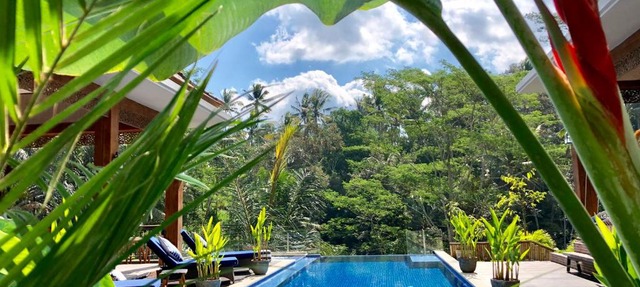


Good for the Weekend
Easy in-and-out for quick Payangan gateway.
Work-friendly stays
Desks, fast Wi-Fi, and a kitchen for work trips that run long, with dinner a short walk away.
Inland streets with a slower cadence.
In Payangan, the pace is unhurried, with a practical, low-key rhythm for travelers moving through town.
Known for
Upland village life, rice terraces, and access to Ubud’s northern countryside. Travelers remember the slower pace, temple-lined roads, and views that shift from farms to forested hills.
Best for
Best for travelers who want a quieter base with easy access to the Ubud area, scenic day trips, and unhurried stays that lean toward nature and culture.
Walkability
Best explored in short stretches on foot around the village center and main roads. For broader exploring, you will usually want a scooter or driver.
Closest airport
Ngurah Rai International Airport (DPS) sits to the south, near Denpasar.
Ideal trip length
A two- to four-night stay works well if you want time for slow mornings, nearby outings, and a measured pace without overpacking the itinerary.
Vibe
Quiet, green, grounded, reflective
What lingers after a day in Payangan.
Some moments feel more Payangan than others, the everyday rituals and things to do in Payangan that travelers carry home.
Browse a village market for morning produce
Arrive early at a local market and watch vendors arrange fruit, greens, and spices for daily cooking. The pace feels practical, with neighbors stopping in before the day gets going.
Sip coffee at a roadside warung
Take a seat at a small warung and order coffee alongside a simple breakfast. It is a quiet way to observe conversations, scooters, and the rhythm of the street.
Walk past family compounds at dawn
Follow village lanes in the early morning, when doorways open and offerings appear on thresholds. The walk reveals everyday routines without needing a formal itinerary.
Pause near a temple courtyard
Stop at a temple courtyard and notice incense, stone details, and careful movement around the entrance. Dress and behavior stay modest, especially when ceremonies are underway.
Every corner reveals a different side of Payangan
From quieter lanes to busier market pockets, each area in Payangan moves at its own pace and tone.

Rhythms that shift through Payangan
Many travelers aim for June to September, when Payangan's dry season brings cooler mornings and easier road travel.
Spring
Morning offerings appear at doorways and roadside shrines, while side streets move at an easy pace. Light stays soft, and daily errands feel more ceremonial than hurried.
Summer
The roads feel more active from early day onward, with fuller cafés, temple traffic, and a steady flow of scooters. Evenings settle into a calmer local cadence.
Fall
By fall, the pace turns measured again. Market mornings, family compounds, and temple grounds create a grounded atmosphere, with clear light that suits unhurried wandering.
Winter
Winter brings a quieter street rhythm, with longer pauses between errands and a softer glow over village lanes. The mood feels reflective, composed, and unforced.
Annual events worth planning around
Bali Spirit Festival
A week of yoga, dance, and live music in Ubud each spring.
Ubud Food Festival
A culinary festival in Ubud each late spring, centered on Indonesian chefs, talks, and tastings.
Galungan
A major Balinese Hindu celebration that arrives twice yearly, with temple ceremonies and decorated streets.
Ubud Writers & Readers Festival
An international literary festival in Ubud each autumn, featuring author talks, panels, and workshops.
Rituals locals return to.
From morning warungs to temple-side paths, these are the Payangan places locals return to when they want the day unchanged.
Browse the morning pasar in Payangan center
Stalls in the town center fill early with fruit, spices, and daily shopping, where neighbors trade greetings and pick up ingredients before the day heats up.
Linger over lunch at a roadside warung
Simple warungs along Payangan roads serve rice, soup, and coffee, drawing workers and families who pause here for an unhurried midday break.
Join an evening walk past banjar courtyards
As light softens, locals drift between banjar courtyards and temple gates, chatting, collecting offerings, and ending the day close to home.
A few things worth knowing.
From the most walkable neighborhoods to how travelers explore the city, these notes help you plan a trip to Payangan.
Most walkable areas
Payangan’s town center is the easiest place for short walks, with daily errands clustered close together.
Getting around
On foot works in the center, but scooters or cars help once you head beyond Payangan’s core roads.
Ideal trip length
Two to three nights gives you time to settle into Payangan and move at its slower pace.
Good for work trips
Quiet stays with desks and Wi-Fi suit Payangan for focused work, with easy access to the center.
Payangan travel questions, answered.
Quick answers to the questions travelers ask most.
You should plan on using a car or driver for most trips in Payangan. Some stays may place you within reach of nearby cafés or viewpoints, but day-to-day getting around usually depends on motorized transport. If walkability matters to you, check the listing map and location notes before booking.
For a first stay, choose the area that puts you closest to the type of trip you want, whether that is a quieter base, easy road access, or a stay near dining and services. Payangan is more spread out than a compact city core, so the right fit depends on how much you want to rely on transport. The listing will show the setting and access details.
Two to four nights is a common starting point if you want time to settle in, explore, and keep the pace unhurried. If you are using Payangan as a base for a longer stay or remote work, you may want more time for grocery runs, transport planning, and slower days. Exact needs depend on your itinerary and the stay you choose.
Yes, if you are comfortable planning around a quieter, less walkable setting and checking the setup in advance. Look for reliable WiFi, a proper desk or table, and seating that works for longer sessions. Because amenities can vary by building, confirm the work setup in the listing before reserving.
Accessibility can vary a lot, so you should verify the exact layout before booking. Ask about stairs, elevator access, bathroom setup, entry steps, and whether the room is on one level. If mobility is a concern, the listing is the safest place to confirm what is available where you are staying.
Go with curiosity. Come back with stories.
The best trips rarely go exactly as planned. Sonder keeps you closer to the neighborhoods, kitchens, and small moments that make a city worth remembering.