
A City That Lives in Every Corner
Explore New Orleans through its historic neighborhoods, iconic music, local food, and unforgettable atmosphere with this thoughtfully curated travel guide.


A New Orleans travel guide is best experienced beyond the famous attractions, through historic neighborhoods, local food traditions, live music, and everyday moments that reveal the city’s unique character. From the French Quarter’s timeless streets to the Garden District’s quiet elegance and Faubourg Marigny’s creative energy, New Orleans offers countless ways to experience its culture at your own pace.
New Orleans Travel Guide at a Glance
- The best ways to experience New Orleans include exploring historic neighborhoods, discovering local food traditions, listening to live music, riding the St. Charles streetcar, and embracing the city’s unique atmosphere.
- New Orleans is shaped by its neighborhoods, where the French Quarter, Garden District, Faubourg Marigny, and Warehouse Arts District each reveal a different side of the city.
- From jazz-filled streets and Creole cuisine to historic architecture and waterfront walks, the city offers experiences that connect culture, history, and everyday life.
- The most memorable moments in New Orleans often happen between major attractions, where unexpected discoveries and local traditions become part of your personal journey.
- Sonder stays are located in well-connected neighborhoods that make it easier to experience New Orleans’ music, dining, culture, and neighborhood charm. Bookings are fulfilled by our partners.
New Orleans Travel Guide: Experience the City Through Music, Food, and Neighborhoods
Some cities reveal themselves through landmarks.
New Orleans introduces itself through atmosphere.
Long before you’ve memorized the streets of the French Quarter or found your way to the river, you’ll begin noticing the small details that give the city its unmistakable character. Music drifts from somewhere you can’t quite see. Wrought iron balconies cast intricate shadows across weathered sidewalks. The scent of fresh coffee and warm beignets follows the morning air, while centuries-old buildings quietly remind you that history here isn’t carefully preserved behind museum glass. It’s woven into everyday life, lingering in architecture, neighborhood traditions, and conversations that seem to unfold at their own unhurried pace. Every corner feels as though it has witnessed countless stories, yet the city never asks you to look backward for long. It simply invites you to become part of the next one.
The best way to understand New Orleans isn’t by asking what to see first.
It’s by paying attention to what the city quietly reveals as you move through it.
Listen Before You Look
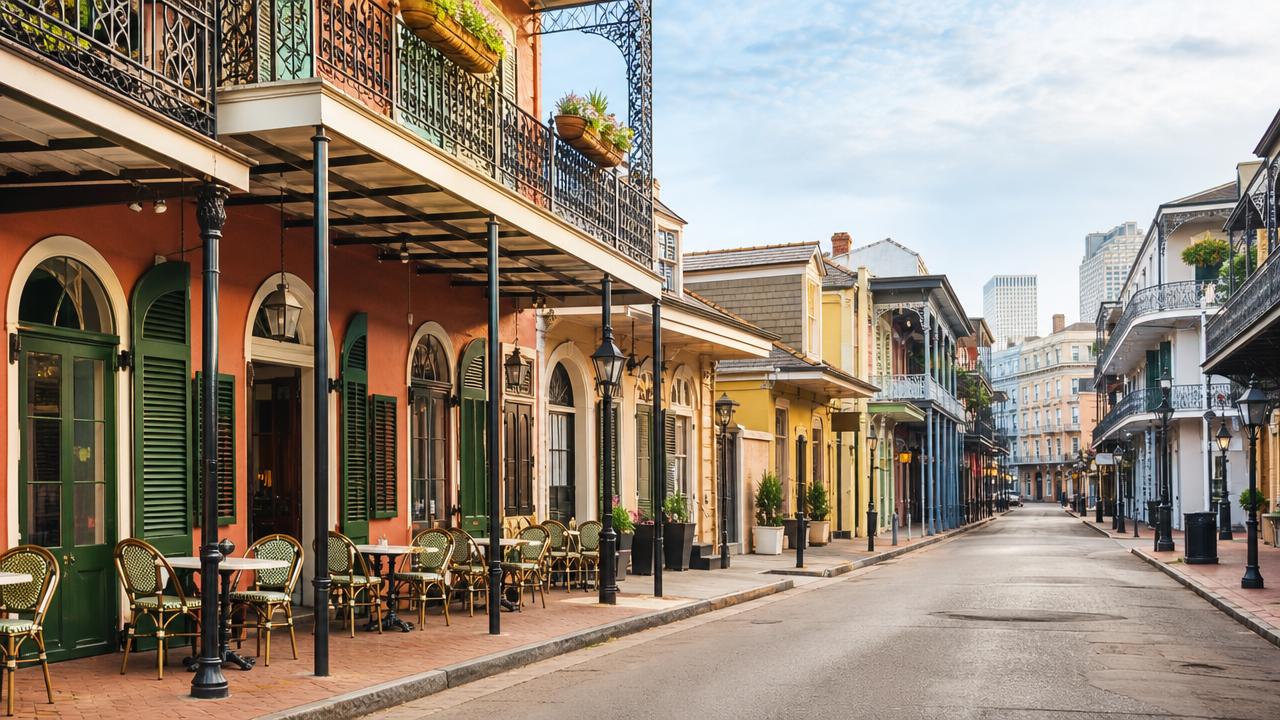
New Orleans reveals its character through historic streets, local cafés, and everyday neighborhood details that invite slower exploration.
Many destinations are experienced visually before anything else. New Orleans works differently. You often hear it before you fully understand where you are. A trumpet echoes from a nearby courtyard, church bells drift across quiet morning streets, and the familiar rattle of the St. Charles streetcar becomes part of the city’s soundtrack. Even before the cafés fill and galleries open their doors, the city feels unmistakably alive. These sounds never compete with one another. Instead, they blend naturally into an atmosphere that feels welcoming rather than overwhelming, creating a rhythm that belongs entirely to New Orleans.
That sense of place becomes even stronger as the day unfolds. Walking without a strict destination often leads to unexpected moments, whether it’s a jazz trio performing beneath a shaded balcony, a neighborhood artist setting up outside a small gallery, or the quiet conversation of locals gathering over coffee before the city becomes busier. These experiences rarely appear on traditional itineraries because they cannot be scheduled. They simply happen, rewarding travelers who leave enough room in their day to notice them. In many ways, listening becomes just as important as looking, allowing the city’s personality to reveal itself gradually instead of all at once.
Every Neighborhood Holds a Different Chapter
It is tempting to think of New Orleans as a single destination defined by the French Quarter, but the city’s character stretches far beyond its most recognizable streets. Each neighborhood contributes a different perspective, creating an experience that becomes richer the more you explore. The French Quarter remains unforgettable for its historic architecture, hidden courtyards, balconies draped in ironwork, and streets where history seems to accompany every step. Yet only a short distance away, the Garden District introduces broad avenues lined with oak trees, beautifully preserved homes, and a quieter elegance that feels worlds apart despite being connected by the same city.

The Garden District offers a graceful side of New Orleans, where historic homes, shaded streets, and timeless architecture encourage slow, unhurried exploration.
Further east, Faubourg Marigny offers a creative spirit shaped by colorful cottages, neighborhood cafés, and intimate music venues where evenings unfold without feeling staged. The Warehouse Arts District presents another side of New Orleans altogether, blending contemporary galleries, museums, and thoughtfully restored industrial buildings into a neighborhood that celebrates both the city’s artistic future and its historic foundations. Moving between these districts feels less like checking destinations off a list and more like reading different chapters of the same story. Each one reveals another layer of New Orleans, making it increasingly difficult to define the city through a single image or experience.
The more neighborhoods you discover, the more complete the story becomes.
Around the Table Is Where the City Comes Together
To speak about New Orleans without mentioning its food would be to overlook one of the city’s defining languages. Meals here carry history as naturally as recipes, bringing together French, Spanish, African, Caribbean, and Creole influences that have shaped generations of family tables and neighborhood restaurants. Dining becomes more than simply finding somewhere to eat between attractions. It becomes another way of understanding how the city has evolved, one plate and one conversation at a time.
Morning might begin with coffee accompanied by warm beignets dusted generously with sugar before continuing toward a neighborhood café where locals settle into familiar routines. Lunch introduces comforting bowls of gumbo or rich po’boys enjoyed in relaxed dining rooms that feel unchanged by passing trends. By evening, restaurants glow beneath historic balconies while conversations spill onto nearby sidewalks, encouraging visitors to slow down rather than rush toward the next destination. Whether you’re enjoying a celebrated Creole restaurant or discovering a family-run neighborhood favorite, every meal contributes another piece to the city’s larger story, reminding you that some traditions are best understood by simply taking a seat at the table.
Let the City Carry You
One of the pleasures of exploring New Orleans is discovering that the journey between places often becomes as memorable as the destination itself. The city’s walkable neighborhoods encourage a slower pace, inviting you to notice details that would otherwise disappear behind the window of a passing car. Historic façades reveal layers of craftsmanship that have weathered generations, balconies overflow with trailing greenery, and shaded courtyards quietly appear behind gates that seem unchanged by time. Even the St. Charles streetcar, moving steadily beneath a canopy of ancient oak trees, feels less like transportation and more like an invitation to experience the city without rushing through it.
Walking remains the most rewarding way to understand how naturally New Orleans changes from one neighborhood to the next. A lively block filled with music and conversation gradually gives way to peaceful residential streets where front porches, neighborhood cafés, and independent bookshops shape an entirely different atmosphere. Along the Mississippi River, broad walking paths invite moments of quiet reflection while steamboats drift past reminders of the city’s enduring relationship with the water. These transitions are never abrupt. They unfold gently, encouraging visitors to experience New Orleans not as a collection of isolated attractions but as one connected story told through its streets.
The City Looks Different in Every Light
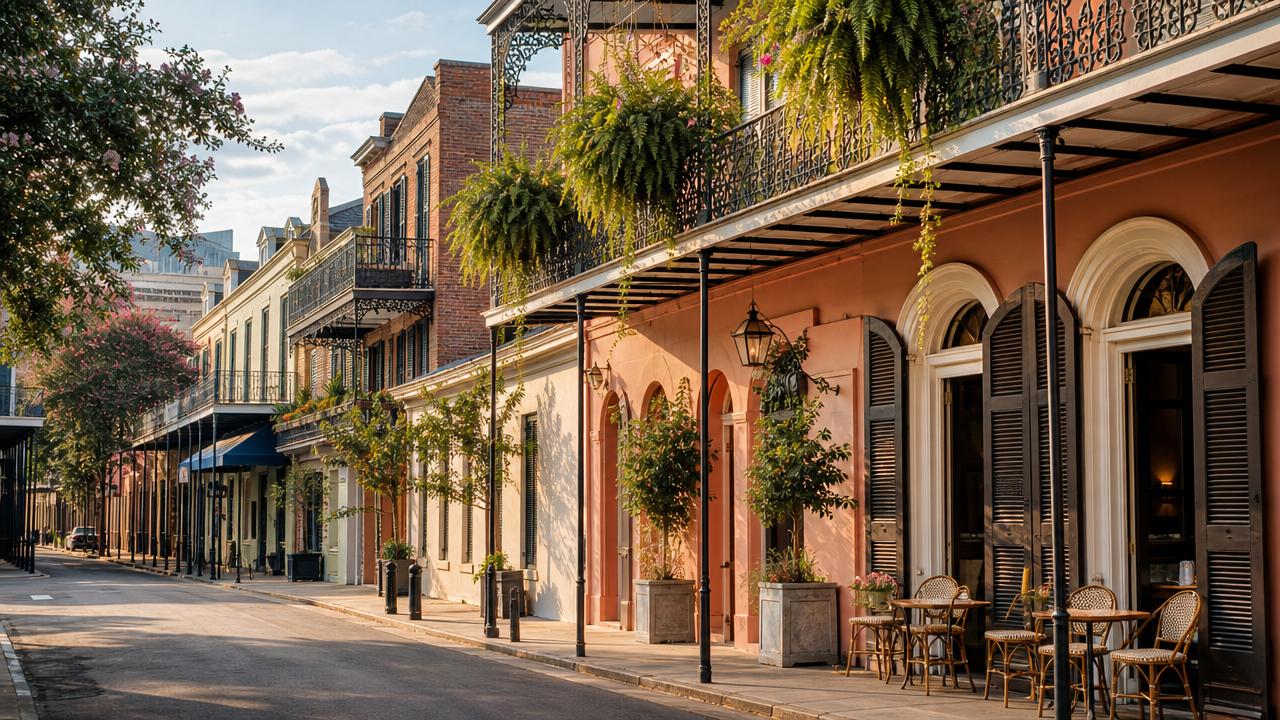
New Orleans changes throughout the day, with sunlight, architecture, and neighborhood life creating different layers of the city’s character.
Morning reveals a version of New Orleans that many visitors never expect. Before Bourbon Street finds its familiar energy, sunlight begins warming weathered brick walls, café doors quietly open, and the French Quarter feels almost contemplative. It’s an ideal time to wander without purpose, allowing soft light, empty courtyards, and the distant sound of someone preparing for the day to reshape your understanding of one of America’s most visited cities. The pace feels entirely different, reminding you that New Orleans contains far more than the celebrations often associated with it.
As the day unfolds, the city gradually changes its character once again. Afternoon light deepens the colors of historic homes, neighborhood parks become gathering places, and shaded verandas offer welcome refuge from the southern warmth. By evening, lanterns begin glowing above narrow streets, live music spills gently from open doorways, and conversations linger beneath balconies that have watched over the city for centuries. Experiencing these transitions reminds you that New Orleans is not defined by a single moment. It is a city constantly reshaped by the passing hours, rewarding those who choose to experience more than one version of it.
Four Experiences That Stay With You
Every traveler leaves New Orleans with different memories, but a handful of experiences consistently capture the spirit of the city without reducing it to a checklist.
- Ride the St. Charles streetcar and watch neighborhoods unfold one stop at a time, allowing the city to reveal its quieter rhythm beyond the busiest streets.
- Wake up before the French Quarter does. The early hours reveal beautiful architecture, peaceful courtyards, and a side of the neighborhood that feels remarkably intimate.
- Follow live music instead of searching for it. Some of the most memorable performances happen unexpectedly, turning an ordinary evening walk into something unforgettable.
- Leave room for one unplanned afternoon. Wander into a neighborhood café, browse a local gallery, or simply continue down the next street that catches your attention. New Orleans has a remarkable habit of rewarding curiosity.
These experiences are intentionally simple because they leave space for something personal to happen. They encourage you to participate in the city rather than simply observe it, creating memories that feel uniquely your own instead of borrowed from someone else’s itinerary.
Long After You’ve Left, The City Keeps Playing
The most memorable destinations rarely stay with us because we managed to see everything they had to offer. They remain because they changed the way we experienced a place, inviting us to slow down, notice more carefully, and leave with memories that feel deeply personal. New Orleans has a remarkable ability to do exactly that. Its neighborhoods, music, food, architecture, and traditions never compete for attention. Instead, they quietly overlap, creating an atmosphere that feels impossible to separate into individual attractions because every experience naturally leads to another.
Perhaps that’s why no travel guide can ever completely explain New Orleans. Every visitor carries away a slightly different version of the city, shaped by the streets they wandered, the music they followed, the conversations they shared, and the quiet moments they never expected to remember. Those experiences become part of the city’s continuing story, making each return feel less like revisiting a destination and more like continuing a conversation that was never truly finished.
The best cities aren’t measured by how much they show you.
They’re remembered because of how deeply they stay with you.
Sonder’s Take: New Orleans Essentials
Currency: US Dollar (USD)Language: English is the primary language, with French and Creole influences deeply connected to the city’s culture and history.Time Zone: Central Time Zone (CT)Best Time to Visit: February to May offers comfortable temperatures for walking, outdoor dining, festivals, and exploring neighborhoods.Peak Season: February to May, with temperatures around 15°C to 28°C, major events like Mardi Gras, and increased visitor activity.Ideal Stay Length: Three to five days allows enough time to experience neighborhoods, food, music, and the city’s cultural traditions.Getting Around: New Orleans is best explored through walking, streetcars, and rideshare services, especially in central neighborhoods.Seasonal Highlight: Mardi Gras season brings one of the city’s most iconic cultural experiences, while fall offers cooler weather and a more relaxed atmosphere.
FAQS
What is the best way to experience New Orleans?
The best way to experience New Orleans is to explore beyond the major attractions. Walk through historic neighborhoods, listen to live music, try local cuisine, ride the streetcar, and allow time for unexpected discoveries.
What are the must-see attractions in New Orleans?
Must-see attractions in New Orleans include the French Quarter, Garden District, Jackson Square, the St. Charles streetcar route, the Mississippi River waterfront, and the city’s famous music and food districts.
How many days do you need in New Orleans?
Most travelers spend 3 to 5 days in New Orleans to experience the city’s neighborhoods, cuisine, music, and historic attractions without rushing.
Is New Orleans walkable?
Yes, especially in areas like the French Quarter, Garden District, and Faubourg Marigny. Walking is one of the best ways to discover the city’s architecture, local restaurants, courtyards, and hidden corners.
Do you need a car in New Orleans?
No. Many visitors can explore New Orleans without a car, especially when staying near the city center. Walking, streetcars, and rideshare services are usually enough for getting around.
What is New Orleans best known for?
New Orleans is best known for jazz music, Creole and Cajun cuisine, historic architecture, vibrant neighborhoods, cultural traditions, and its unique atmosphere shaped by generations of influences.
What food should you try in New Orleans?
Popular New Orleans dishes include gumbo, po’boys, beignets, jambalaya, and other Creole and Cajun specialties that reflect the city’s French, Spanish, African, and Caribbean influences.
Is the French Quarter worth visiting?
Yes. The French Quarter is one of New Orleans’ most iconic neighborhoods, known for historic buildings, iron balconies, hidden courtyards, live music, restaurants, and a distinctive atmosphere that changes throughout the day.
What is the St. Charles streetcar experience like?
The St. Charles streetcar offers a slower way to explore New Orleans, passing through historic neighborhoods, oak-lined streets, and residential areas while showcasing a quieter side of the city.
Where can you experience authentic New Orleans culture?
Neighborhoods like the Garden District, Faubourg Marigny, and areas beyond the French Quarter offer a more local perspective through neighborhood cafés, music venues, restaurants, architecture, and everyday traditions.
What makes New Orleans different from other cities?
New Orleans stands out because its culture is woven into everyday life. Music, food, architecture, and traditions are not separate attractions but experiences that naturally unfold throughout the city.
Begin Your New Orleans Story
New Orleans is best experienced through the details that make each neighborhood unique, from historic streets and live music to local food traditions and everyday moments that reveal the city’s character. Whether you are visiting for the first time or returning for another layer of discovery, choosing the right stay gives you a comfortable base for experiencing the city at your own pace.
Explore New Orleans stays and choose a neighborhood that helps you discover the city one unforgettable moment at a time.


