

Choosing where to stay in Madrid shapes everything from your morning coffee to your late-night tapas crawl. This guide explores neighborhoods that balance local character, walkability, culture, and memorable places to stay.
At a Glance
- Madrid's best neighborhoods include Sol, Barrio de las Letras, Malasaña, Salamanca, La Latina, and Chamberí.
- Choose a neighborhood based on how you want to experience the city, whether that's museums, cafés, nightlife, shopping, or quieter residential streets.
- Madrid is highly walkable, with an excellent Metro network connecting every district.
- Long lunches, late dinners, neighborhood plazas, and evening strolls are part of everyday life here.
- Sonder curates stays in neighborhoods that make it easy to experience Madrid beyond its major attractions. Bookings are fulfilled by our partners.
What should you consider when deciding where to stay in Madrid?
Finding the right neighborhood is one of the most important decisions you'll make when planning a trip to Madrid. While many visitors focus on staying close to the city's famous landmarks, your neighborhood will influence almost every part of your day, from where you stop for coffee to how you spend the evening after the museums close.
Madrid is a city built around neighborhoods rather than individual attractions . Each district has developed its own rhythm, architecture, dining scene, and local traditions, offering a different perspective on the Spanish capital.
Some travelers enjoy lively plazas that remain busy well into the evening. Others prefer elegant residential streets, independent cafés, or neighborhoods where museums and galleries are within walking distance.
Choosing the area that matches your travel style often creates a more memorable experience than simply booking the most central accommodation.
| Neighborhood | Best For | Atmosphere |
| Sol | First-time visitors | Historic, lively, central |
| Barrio de las Letras | Museums and culture | Historic, literary, walkable |
| Malasaña | Cafés and nightlife | Creative, energetic |
| Salamanca | Shopping and elegant stays | Sophisticated, upscale |
| La Latina | Tapas and local character | Traditional, vibrant |
| Chamberí | Longer stays | Residential, relaxed |
Why is Sol a good choice for first-time visitors?
If you're visiting Madrid for the first time, Sol places many of the city's best-known attractions within easy walking distance. Plaza Mayor, Puerta del Sol , the Royal Palace, Gran Vía, and Mercado de San Miguel are all nearby, making it easy to explore without relying heavily on public transportation.
Despite its popularity, Sol isn't simply a sightseeing district. Step away from the busiest streets and you'll find historic plazas, traditional taverns, and cafés that have welcomed locals for generations.
The neighborhood also serves as one of Madrid's main transportation hubs, making it convenient to reach other parts of the city whenever you want to explore beyond the center.
For travelers hoping to experience a little of everything during a short visit, Sol offers an excellent starting point.
What makes Barrio de las Letras one of Madrid's most rewarding neighborhoods?
Barrio de las Letras is often described as Madrid's literary quarter, but its appeal extends well beyond its history.
Named after the writers who once lived here, the neighborhood combines pedestrian streets, independent bookshops, galleries, wine bars, and traditional restaurants with some of the city's most important museums just a short walk away.
The Prado Museum , the Thyssen-Bornemisza Museum, and the Reina Sofía Museum are all nearby, allowing you to spend the morning exploring world-renowned collections before wandering back through quiet streets filled with cafés and small plazas.
It's a neighborhood that feels particularly well suited to travelers who enjoy combining culture with relaxed afternoons spent exploring on foot.
Should you stay in Malasaña?
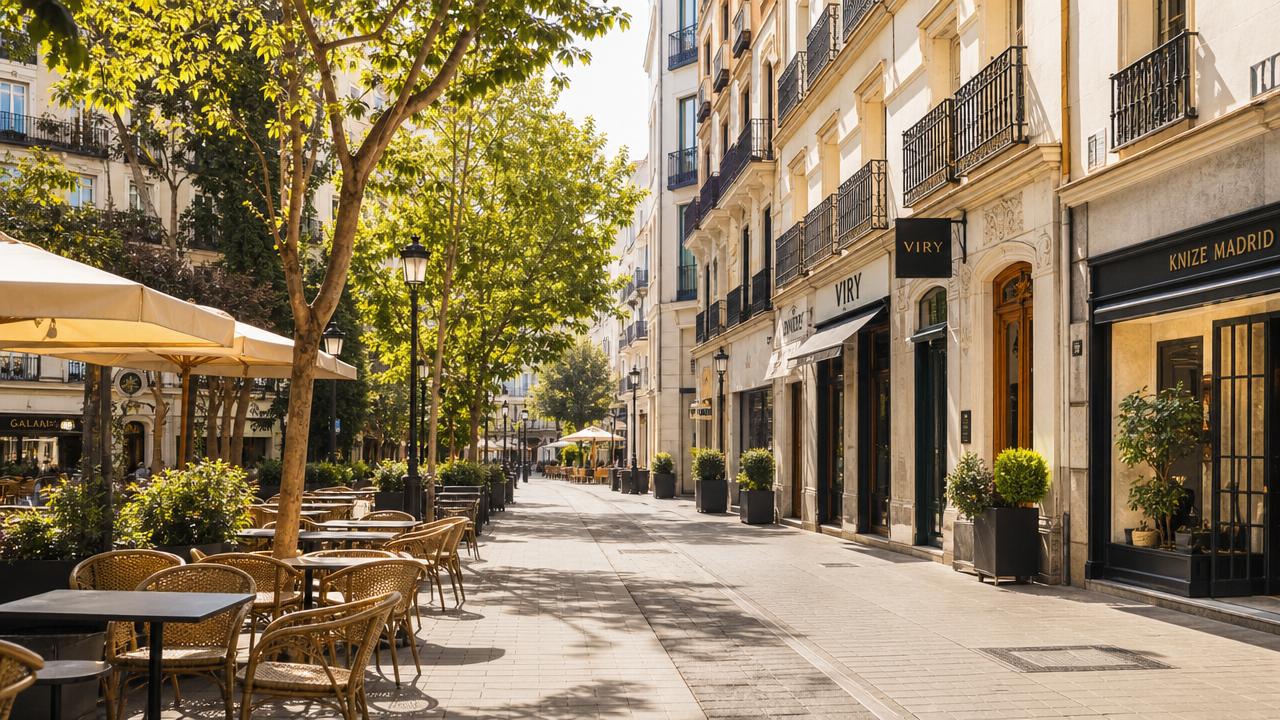
For travelers drawn to creative neighborhoods, Malasaña offers one of Madrid's most distinctive atmospheres .
Once associated with the city's countercultural movement, it has evolved into a district filled with independent boutiques, vintage shops, bakeries, specialty coffee cafés, bookstores, and lively restaurants. Street art appears alongside historic buildings, while neighborhood squares become gathering places throughout the day.
Although evenings remain lively, mornings reveal another side of Malasaña. Cafés fill slowly, local shops open their doors, and quiet residential streets provide a welcome contrast to the energy of nearby Gran Vía.
The neighborhood works especially well if you enjoy discovering local businesses and spending time in places that feel connected to everyday city life.
Is Salamanca worth choosing for a quieter stay?
Salamanca offers a noticeably different experience from Madrid's historic center.
Wide boulevards, elegant apartment buildings, designer boutiques, and refined restaurants give the district a sophisticated atmosphere while remaining within easy reach of the city's major attractions.
The famous Golden Mile attracts luxury shoppers, but the neighborhood also rewards slower exploration. Tree-lined streets, neighborhood cafés, and beautifully maintained architecture create an environment that's equally enjoyable whether you're shopping or simply wandering between parks and plazas.
Travelers looking for a polished, quieter base without feeling disconnected from the city often find Salamanca an excellent fit.
Why do so many visitors love La Latina?
La Latina is one of Madrid's oldest neighborhoods and remains one of its liveliest.
Its narrow streets open onto plazas filled with outdoor terraces, traditional tapas bars, and historic churches, creating an atmosphere that changes throughout the day. Mornings are relatively peaceful, afternoons revolve around long lunches, and evenings see friends and families gathering over shared plates and conversation.
On Sundays, El Rastro transforms the area into one of Europe's largest open-air markets, attracting visitors searching for antiques, vintage clothing, books, artwork, and local treasures.
If your ideal trip includes lingering over dinner and experiencing Madrid's social culture firsthand, La Latina offers an unforgettable setting.
Is Chamberí a good option for longer stays?
Chamberí often appeals to travelers looking for a more residential side of Madrid.
Unlike some of the busier central districts, the neighborhood moves at a gentler pace while still offering excellent restaurants, cafés, markets, and convenient Metro connections.
The streets are lined with elegant apartment buildings, local bakeries, and independent businesses that encourage the kind of routines many travelers enjoy during longer visits.
Rather than spending every day surrounded by tourist attractions, Chamberí offers the opportunity to experience Madrid as a local neighborhood, making it particularly appealing for extended stays or remote work.
How does Madrid's daily rhythm shape your stay?
Madrid follows a schedule that's noticeably different from many other European cities.
Mornings begin gradually as cafés fill with locals enjoying coffee and pastries before work. Lunch often stretches well into the afternoon, while dinner rarely starts before 9 p.m. Public squares become livelier as the day progresses, and evening walks through neighborhood streets remain part of daily life long after sunset.
Choosing accommodation in a walkable neighborhood allows you to experience this rhythm naturally. Instead of planning every meal or activity around transportation , you can step outside and discover what the neighborhood feels like at different times of day.
That flexibility often becomes one of the highlights of visiting Madrid.
Why does your neighborhood matter as much as your itinerary?
Most travelers remember far more than the attractions they visited.
They remember the bakery where they stopped every morning, the shaded plaza where they lingered over coffee, the restaurant they returned to for a second dinner, or the quiet street they discovered while walking back after sunset.
Madrid rewards this style of travel because each neighborhood offers its own atmosphere and routines. The museums, monuments, and palaces remain essential parts of the experience, but it's often the everyday moments between them that create the strongest memories.
Choosing a neighborhood you'll enjoy returning to each evening allows the city to feel less like a series of attractions and more like somewhere you briefly belonged.
Sonder's Take
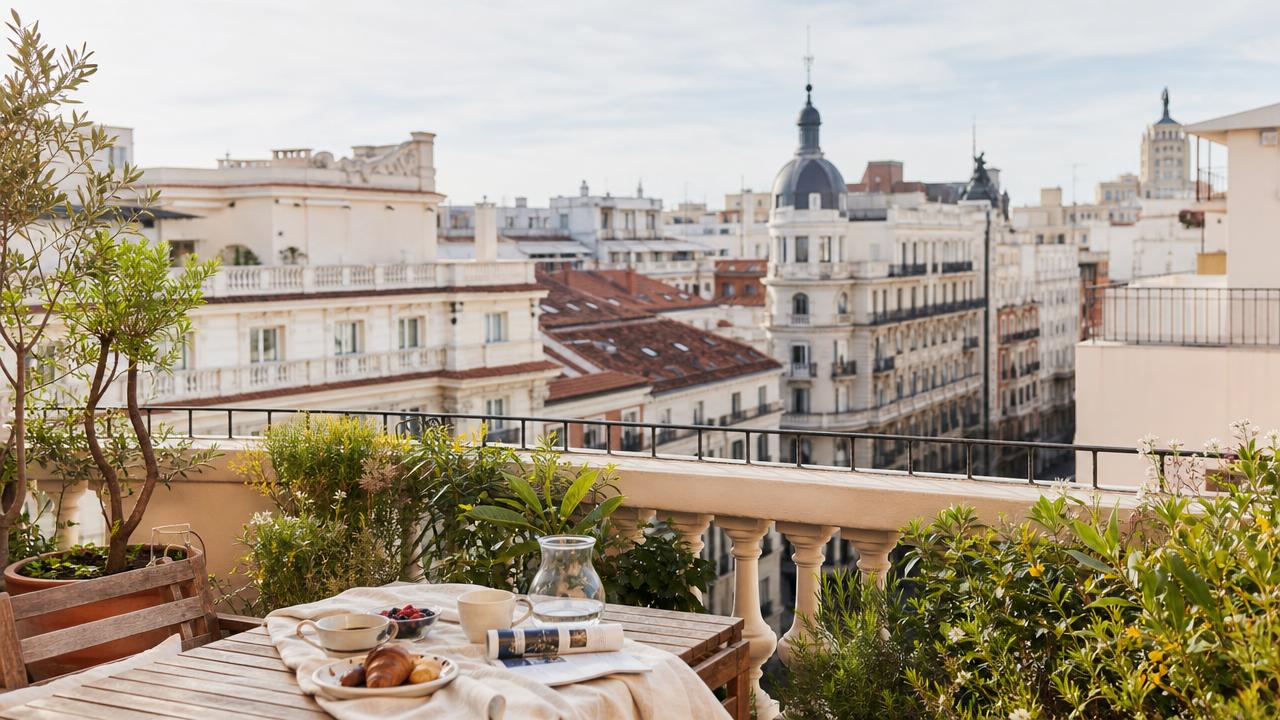
Madrid is a city that reveals itself gradually. The museums, plazas, and historic landmarks provide an excellent introduction, but it's the neighborhoods that give the city its personality. Staying somewhere walkable makes it easier to enjoy slow breakfasts, long evenings, and the everyday moments that define life in the Spanish capital.
Sonder curates stays in neighborhoods where travelers can experience Madrid beyond its landmarks. We curate the stays. Our partners handle the bookings.
Our perspective: if your favorite evening began with "just one more walk" before dinner, you've probably found the right neighborhood.
Frequently Asked Questions
Where is the best place to stay in Madrid for first-time visitors?
Sol is an excellent choice thanks to its central location, walkability, and easy access to landmarks such as Plaza Mayor, the Royal Palace, and Gran Vía.
Which Madrid neighborhood has the best restaurants?
La Latina is famous for its traditional tapas bars, while Malasaña and Barrio de las Letras offer excellent cafés, wine bars, and contemporary dining.
What is the most walkable neighborhood in Madrid?
The city center, including Sol, Barrio de las Letras, and La Latina, is highly walkable, allowing visitors to reach many attractions on foot.
Is Madrid easy to explore without a car?
Yes. Madrid's Metro system is extensive, and many of the city's most popular neighborhoods are easily explored on foot.
How many days should you spend in Madrid?
Four to five days allows enough time to explore several neighborhoods, visit the city's major museums, and enjoy Madrid's relaxed dining culture.
Find the Neighborhood That Fits Your Pace
The best answer to where to stay in Madrid depends less on how many attractions are nearby and more on how you want your days to unfold. Whether that's mornings in a neighborhood café, afternoons in world-class museums, or evenings that stretch from tapas to moonlit walks, choosing the right neighborhood helps the city feel welcoming from the moment you arrive.
Give yourself time to settle into one part of Madrid, and you'll discover that the places you return to each day often become just as memorable as the landmarks you came to see.

Ruby is a travel content creator passionate about helping travelers find the right destination and the perfect place to stay. She combines destination research, local insights, and practical travel advice to create engaging guides that inspire confident, memorable trips.