

Knowing where to stay in New York City can completely change the way you experience it. This guide compares neighborhoods that suit different travel styles, from first visits to extended stays.
At a Glance
- The best neighborhoods for visitors include Midtown, Flatiron, Chelsea, Tribeca, SoHo, the Upper West Side, and Williamsburg.
- Choose your neighborhood based on how you plan to spend your mornings, evenings, and free time rather than simply staying near famous attractions.
- New York's subway system makes moving between neighborhoods easy, so you don't need to stay beside every landmark.
- Different neighborhoods offer distinctly different experiences, from quiet residential streets to energetic dining districts.
- Sonder curates stays in neighborhoods that help travelers experience New York beyond the busiest tourist corridors. Bookings are fulfilled by our partners.
Why is choosing the right neighborhood so important?
New York isn't one destination.
It's a collection of neighborhoods that each feel like their own city.
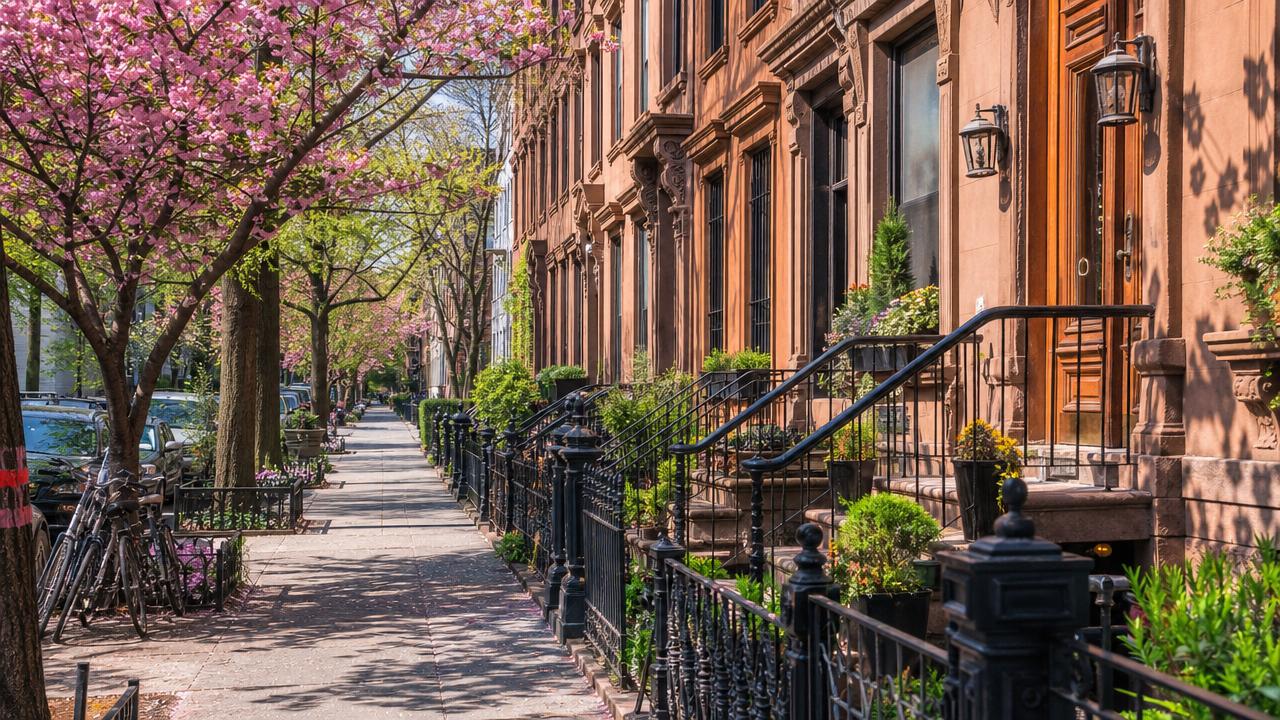
You can spend the morning walking beneath the brownstones of the Upper West Side, have lunch in Flatiron, browse galleries in Chelsea, and finish the evening in SoHo without ever feeling like you've stayed in the same place.
That's why deciding where to stay in New York City matters.
The neighborhood you choose determines how your mornings begin, where you stop for coffee, whether you'll walk or take the subway, and what your evenings look like once sightseeing is over.
Finding a neighborhood that matches your pace often shapes the trip more than choosing accommodation with the most amenities.
Which neighborhood matches your trip?
| Neighborhood | Best For | Atmosphere |
| Midtown | First-time visitors | Busy, central, iconic |
| Flatiron | Business and dining | Walkable, polished |
| Chelsea | Art and local exploration | Contemporary, lively |
| Tribeca | Longer stays | Quiet, upscale |
| SoHo | Shopping and design | Stylish, energetic |
| Upper West Side | Slower travel | Residential, relaxed |
| Williamsburg | Food and creativity | Trendy, independent |
Rather than asking which neighborhood is "best," think about which one best fits the way you like to travel.
Where should first-time visitors stay?
For many travelers, Midtown remains the easiest introduction to New York.
Its central location places landmarks like Times Square , Bryant Park , Grand Central Terminal , Rockefeller Center , and Broadway within easy reach, while nearly every subway line connects through the area.
That convenience makes sightseeing straightforward, especially if you're only visiting for a few days.
At the same time, Midtown rarely shows New York at its most relaxed. Once you've visited the major attractions, spending time in nearby neighborhoods often provides a much better sense of the city's personality.
Many first-time visitors choose Midtown as a base while exploring elsewhere throughout the day.
What if you're visiting for work or a longer stay?
Business trips usually benefit from a different approach.
Rather than staying where the crowds are busiest, neighborhoods like Flatiron and Tribeca offer a balance between convenience and everyday livability.
Flatiron provides quick access to Midtown offices while surrounding you with cafés, restaurants, Madison Square Park , and excellent subway connections.
Tribeca feels noticeably quieter. Historic warehouse buildings, tree-lined streets, independent cafés, and spacious sidewalks create an atmosphere that's particularly comfortable after a full day of meetings.
If your visit includes several nights or an extended weekend, both neighborhoods make it easier to settle into a routine instead of constantly moving between attractions.
Which neighborhoods are best for food, shopping, and culture?
Some neighborhoods are destinations in themselves.
Chelsea combines contemporary art galleries, the High Line , Chelsea Market , and excellent restaurants into one highly walkable district. It's easy to spend an entire day here without following a strict itinerary.
SoHo remains one of New York's best neighborhoods for shopping, design, and architecture. Cast-iron buildings, independent boutiques, galleries, and stylish cafés create streets that invite wandering rather than rushing.
Across the East River, Williamsburg offers another perspective on the city. Independent bakeries, neighborhood restaurants, waterfront parks, and creative businesses have made it one of Brooklyn's most popular destinations for travelers looking beyond Manhattan.
Each neighborhood rewards curiosity, making them ideal for afternoons that don't revolve around a checklist.
How does your neighborhood change your daily routine?
Where you stay influences much more than your commute.
It determines whether breakfast comes from a neighborhood bakery or a busy commuter café. Whether you begin the morning with a walk through a local park or straight onto the subway. Whether dinner means returning to familiar streets or crossing the city once again.
These routines develop surprisingly quickly.
By your second morning, you may already recognize your favorite coffee shop. By your final evening, you'll know the quickest route home without opening a map.
Those small moments create a stronger connection to New York than many attractions ever could.
How should you decide where to stay?
Instead of comparing neighborhoods by popularity, compare them by lifestyle.
Ask yourself:
- Will you spend more time sightseeing or exploring neighborhoods?
- Do you prefer lively streets or quieter residential areas?
- Would you rather walk to dinner every evening?
- Are museums, shopping, or parks more important to your trip?
- Will you be working during your stay?
The answers often point naturally toward the right neighborhood.
New York's excellent public transportation means you can visit almost anywhere during the day, so choosing somewhere you'll genuinely enjoy returning to each evening usually matters more than staying beside a single attraction.
Why does New York feel different from one neighborhood to another?
Few cities change as dramatically from block to block.
Historic brownstones give way to glass towers. Quiet residential streets sit only minutes from busy avenues. Local bakeries exist alongside internationally recognized restaurants.
Each neighborhood has developed its own identity through its architecture, public spaces, businesses, and community life.
Experiencing several of them reveals that there isn't one version of New York.
There are dozens.
Choosing the right neighborhood simply determines which version you'll come to know best.
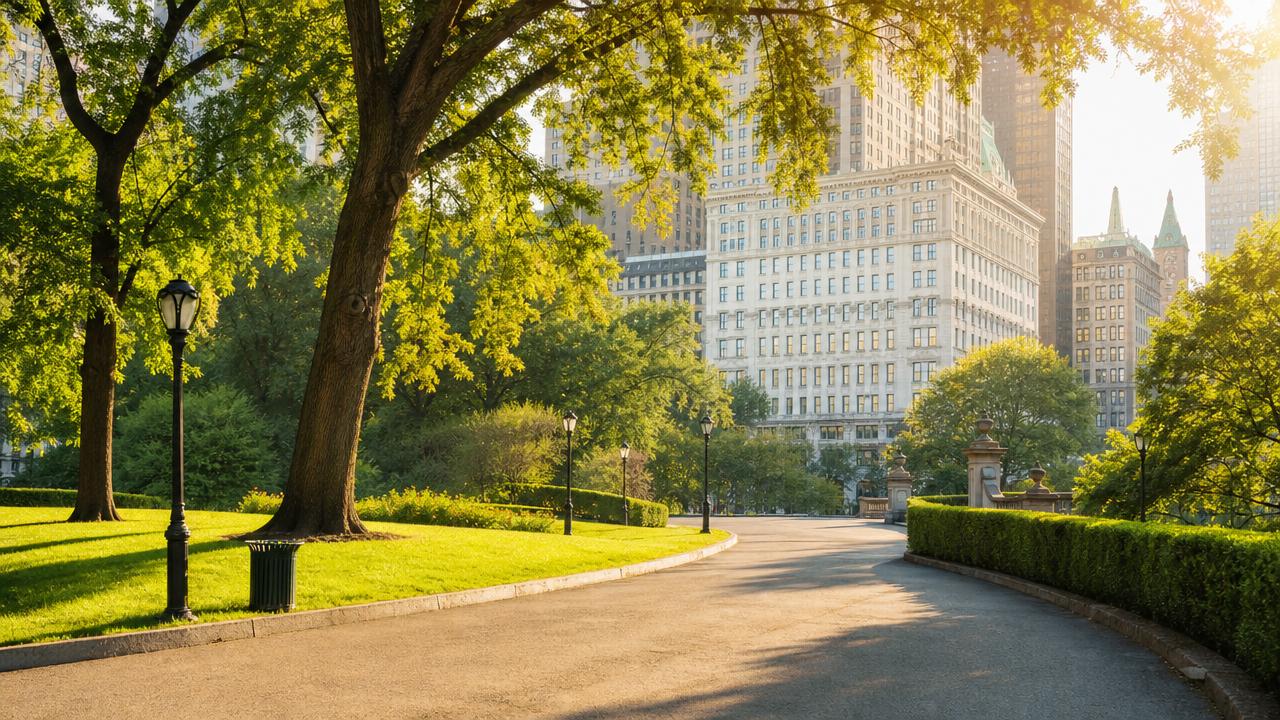
Sonder's Take
New York becomes easier to enjoy when you stop trying to stay close to everything.
The better approach is choosing one neighborhood that fits your trip, then letting the city unfold from there. Whether that means mornings in Tribeca, evenings in Chelsea, or weekends on the Upper West Side, the neighborhood often becomes the part of the trip you'll remember most.
Sonder curates stays in neighborhoods where travelers can experience New York beyond the busiest tourist districts. We curate the stays. Our partners handle the bookings.
Our perspective: If you start referring to a neighborhood café as "your place" before your trip ends, you've probably chosen the right area.
Frequently Asked Questions
Where should first-time visitors stay in New York City?
Midtown is one of the most convenient choices thanks to its central location, transportation links, and proximity to many of the city's best-known attractions.
Which New York neighborhood is best for business travelers?
Flatiron and Tribeca both offer excellent transportation, walkability, restaurants, and a more comfortable atmosphere for longer business stays.
What neighborhood is best for shopping?
SoHo is widely regarded as one of New York City's premier shopping districts, combining designer brands, independent boutiques, galleries, and historic architecture.
Is New York easy to explore without a car?
Yes. The subway, buses, and walkable neighborhoods make public transportation the easiest way to explore the city.
How many neighborhoods should you explore during one visit?
Three or four neighborhoods are usually enough for a long weekend. Spending more time in fewer areas often creates a richer experience than trying to see the entire city.
Related Reading
- Luxury Aparthotels in New York for Work Trips That Turn Into Weekends
- New York When the Room Is Finally Quiet
- New York City for Bleisure Travelers: Desks, Dinners, and Better Walks Home
Choose the Neighborhood That Fits Your Trip
The best answer to where to stay in New York City isn't always the most central address. It's the neighborhood that matches the kind of experience you're hoping to have.
Whether you're visiting for meetings, museums, restaurants, or simply long walks through streets that quickly become familiar, choosing the right neighborhood gives the city room to feel less overwhelming and much more personal.

Ruby is a travel content creator passionate about helping travelers find the right destination and the perfect place to stay. She combines destination research, local insights, and practical travel advice to create engaging guides that inspire confident, memorable trips.